
digestibility
 1
4.9

- noun
- /daɪˈdʒɛstɪbɪlɪti/
- The digestibility of this new protein source makes it appealing for animal feed.
- nutrient digestibility
- high digestibility
- digestibility trial
Examples
-
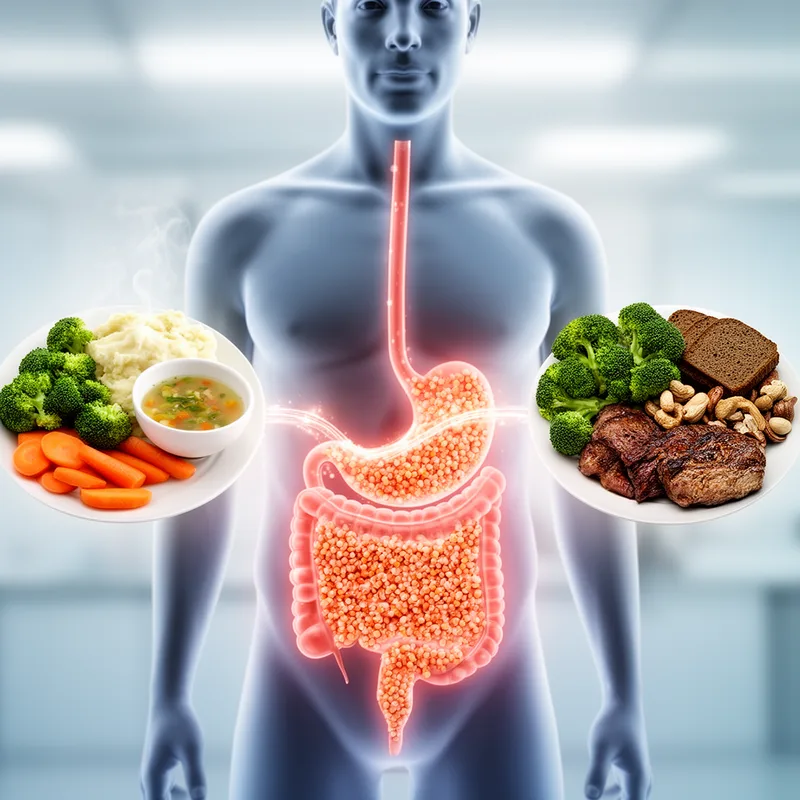
You can improve the digestibility of your meal by making these food combinations:
Blog text (31) -
Digestibility of the silages: Data regarding the digestibility of the silages are presented in Table 3.
Academic text (2015) -
There had been some speculation that digestibility would decrease because cell walls are usually thicker under FACE.
Academic text (1995) -
Nutrient digestibility values were determined and made available to feed mills and producers.
Academic text (2004) -
Conventional methods to improve digestibility have included hydrolysis, chemical, and enzymatic processing.
Academic text (2018) -
Silanikove (1992) reported that the water restriction reduced appetite and increased the digestibility of feed.
Academic text (2015) -
The addition of molasses resulted in good color, odor, softness, nutritional quality, palatability, and digestibility in goats.
Academic text (2015) -
A diet high in fiber has been shown to improve the digestibility of food in humans.
-
Improving the digestibility of certain grains can enhance their nutritional value.
Synonyms
How easily food breaks down in the body
Antonyms


How Digestible
1
4.9

 1
8.9
Surface Forms
Morphology
digestibility = digestible (transparent) = digest + ible + ity
Standard noun formation from the adjective 'digestible' (digest + -ible) by adding '-ity'; the meaning 'the quality of being easy to digest' is directly derived.
Etymology
The word digestibility comes from digest, which originally meant 'to break apart' as the body works on food, plus endings that mean 'ability'. So digestibility is the 'ability of food to be broken down' by the body, or simply how easy food is to digest.