
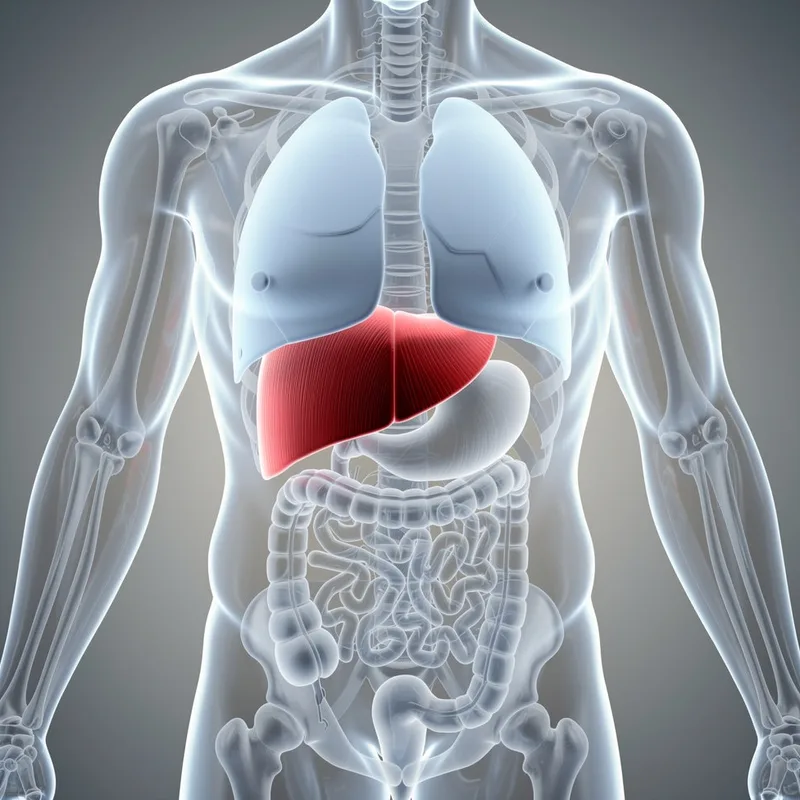
diaphragm
 16
5.4
16
5.4

- noun
- /ˈdaɪəfræm/
- Specialized
- When you inhale deeply, your diaphragm contracts and moves downwards to allow your lungs to expand.
- elevation of the diaphragm
Loading YouTube…
Watch on YouTubeWhen you exhale, the diaphragm moves up.
- When you exhale, the diaphragm moves up.
- When you breathe in, your lungs expand, the diaphragm moves down.
- Your brain is sending signals to your diaphragm to breathe.
- When you inhale, your diaphragm moves down.
- They will start to breathe less from their diaphragm and more from their chest, OK?
- When we inhale, whether or not it's through our mouth or our nose, our diaphragm moves down.
- I recently learned that I have an issue with my diaphragm.
- Your gall, your liver sits right underneath the right side of your diaphragm.
- PHRENIC, The phrenic nerve that runs from the brain stem to this muscle we call the diaphragm.
- So then the diaphragm goes down more fully.
Examples
-
Some simple steps you can try: Breathe deeply from your diaphragm; breathing from your chest won't relax you.
Blog text (17) -
First thing I want you to do is take three deep breaths through your nose, into your diaphragm.
-
So then the diaphragm goes down more fully.
-
Rest a moment and relax your diaphragm, if you can.
-
Feel it in your diaphragm, just breathe it in.
-
By doing this, you strengthen your diaphragm, and it is able to take in more air next time.
Blog text (17) -
Your brain is sending signals to your diaphragm to breathe.
-
When you breathe in, your lungs expand, the diaphragm moves down.
-
Now, besides the muscles in the chest wall, there's also the diaphragm, a muscle at the bottom of the lungs.
-
To improve your singing technique, practice engaging your diaphragm for better breath control.
Synonyms
A thin muscle under the lungs that separates the chest from the belly
Compounds

A flexible cup inserted into the vagina to cover the opening to the womb and stop sperm entering

- Specialized
A part with thin overlapping plates that controls how much light passes through a lens
How Important
- Specialized
16
5.4

- Specialized

 1
6.1
1
6.1
Surface Forms
Etymology
Diaphragm comes from Greek parts dia- 'across' and -phragm 'barrier', so it originally meant a 'wall stretched across'. That's why the diaphragm is the sheet of muscle that acts like a wall between the chest and belly and helps you breathe.