
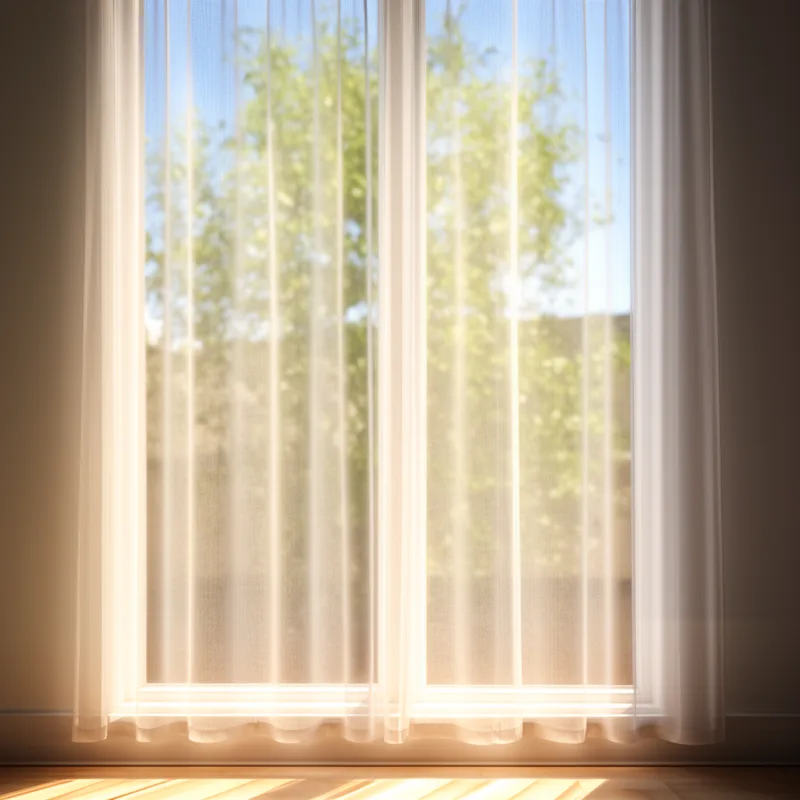
diaphany
- noun
- /daɪˈæfəni/
- Archaic
- She admired the diaphany of the delicate curtains as sunlight filtered through them.
Examples
-
The diaphany of the glass allowed the sunlight to fill the room.
-
Artists often use materials with diaphany to create effects of light and shadow.
-
The diaphany of the morning mist made the landscape appear dreamlike.
-
She admired the diaphany of the fabric used in her dress.
-
The diaphany of the glass allowed the sunlight to fill the room.
-
She admired the diaphany of the delicate curtains as sunlight filtered through them.
-
Artists often use materials with diaphany to create effects of light and shadow.
Synonyms

 5
4.6
5
4.6

To let light pass so you can see objects behind
 1
6.8
1
6.8
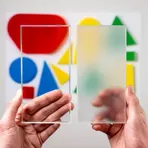
A quality that lets light through but hides clear shapes, like frosted glass
 1
6.9
1
6.9
Allowing light to pass so shapes on the other side are not clear


 1
4.5
1
4.5
Thin, light fabric that is almost see-through

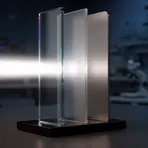
The degree to which a material lets light pass through it

Clear water or glass that lets light pass so you can see through

A quality of being clear and letting light pass through

Clear and easy to see through like glass or water

How clear something is so you can see through it
Clear quality that makes something easy to see or understand

How much light passes through a material so you can see through it

Letting some light pass while hiding a clear view of things behind

How easy something is to see through, like clean water
Antonyms

How Transparent

Surface Forms
Morphology
diaphany = diaphanous (transparent) = diaphan + y
A straightforward nominalization of the adjective meaning 'allowing light to pass through', producing the abstract quality 'clearness or translucency'.
Etymology
Diaphany comes from old Greek parts dia- 'through' and phainein 'to show', so you can imagine light 'showing through' fog or a curtain. That's why diaphany can mean the quality of being clear or letting light pass through.