

diaphaneity
- noun
- /ˌdaɪəfəˈniːɪti/
- Specialized
- Differences in diaphaneity help geologists identify various minerals in the field.
Examples
-
Can you measure the diaphaneity of this fabric?
-
The diaphaneity of the glass allows for beautiful light effects.
-
The diaphaneity of the crystal made it highly valued by collectors.
-
Scientists measured the diaphaneity of the fabric to determine its suitability for curtains.
-
The diaphaneity of the glass allowed sunlight to illuminate the room beautifully.
-
When choosing fabrics for the dress, she preferred ones with high diaphaneity for a more elegant look.
-
The artist admired the diaphaneity of the watercolors, which created a soft and luminous effect in her paintings.
Synonyms

 5
4.6
5
4.6

To let light pass so you can see objects behind
 1
6.8
1
6.8
A quality that lets light through but hides clear shapes, like frosted glass
 1
6.9
1
6.9
Allowing light to pass so shapes on the other side are not clear


 1
4.5
1
4.5
Thin, light fabric that is almost see-through

The quality of letting light pass so you can partly see through something

Clear water or glass that lets light pass so you can see through

A quality of being clear and letting light pass through

Clear and easy to see through like glass or water
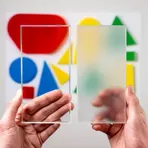
Clear quality that makes something easy to see or understand

How clear something is so you can see through it

How much light passes through a material so you can see through it

Letting some light pass while hiding a clear view of things behind

How easy something is to see through, like clean water

How easily light or heat passes through a material
Antonyms
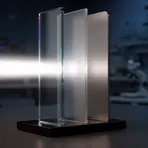
How Transparent

Surface Forms
Morphology
diaphaneity = diaphanous (semi-transparent) = diaphan + ity
Formed by a regular noun-forming suffix on the adjective 'diaphanous', but both the base and root are rare and Greek-derived, so the meaning is not obvious to average learners.
Etymology
Diaphaneity comes from Greek parts dia- meaning 'through' and phainein meaning 'to show'. It describes how much light can 'show through' a material, so it means a material's transparency or translucency.