

desert paintbrush
- noun
- /ˈdɛzərt ˈpeɪntˌbrʌʃ/
- US
- The desert paintbrush adds a splash of red to the arid landscape each spring.
Examples
-
We saw a field full of desert paintbrush during our hike in Nevada.
-
Botanists study the desert paintbrush for its adaptation to dry climates.
-
The desert paintbrush blooms in vibrant colors.
-
Many desert paintbrushes can be found in Arizona.
-
The desert paintbrush blooms in vibrant orange and red hues across the desert floor.
-
During springtime, the desert paintbrush transforms the arid landscape with its colorful spikes.
-
While exploring the dry hills, we admired the striking desert paintbrush decorating the hillsides.
Synonyms


 1
6.8
1
6.8
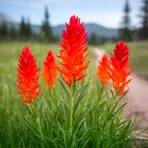
A wild plant with bright red or orange flowers found in North America

A plant with tall stems and dense bright red or orange flower spikes
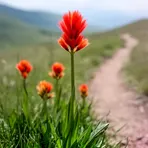
A wild plant with bright red or orange flower parts that look like a brush
Surface Forms
Morphology
desert + paintbrush
The compound links 'desert' (habitat) with 'paintbrush' (a painting tool) and the plant name is based on the flowers' visual resemblance to a paintbrush, so the meaning is partly inferable from the parts. A B1 learner who knows both words can likely guess this refers to a plant in dry areas with brush-like flowers, but they may not predict the precise botanical sense or the conventionalized name without exposure.
Etymology
Desert paintbrush comes from how the plant looks: the bright red flower spikes look like a painter's small brush (paintbrush) standing in dry land (desert). So the name helps you remember a red-flowered plant that grows in dry areas.