
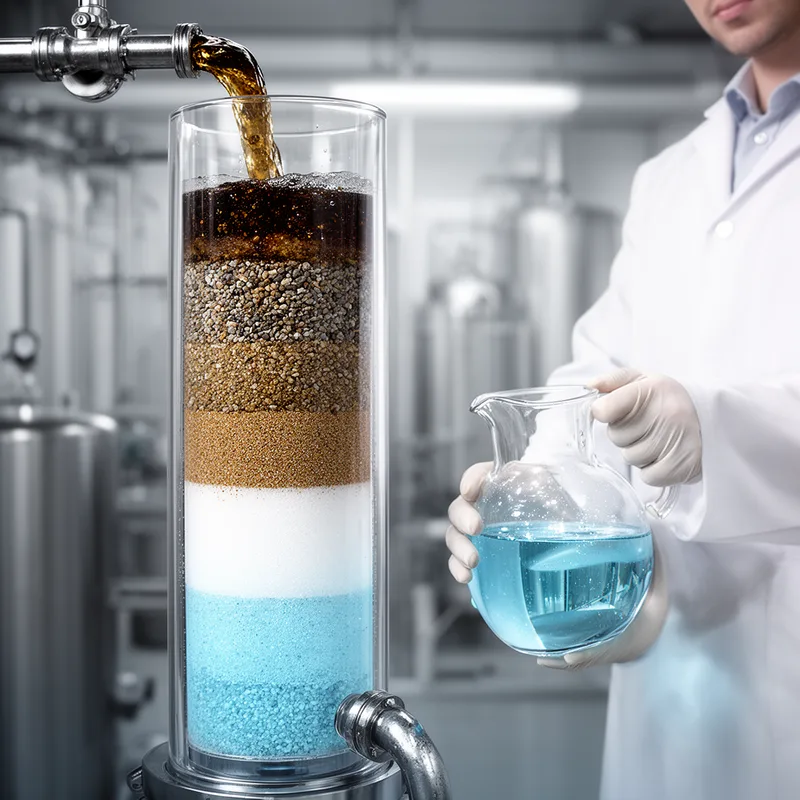
depuration
- noun
- /ˌdɛpjʊˈreɪʃən/
- Specialized
- The depuration process is essential for making oysters safe to eat after they are gathered from the ocean.
- depuration plant
Examples
-
In 1988 and 1989, New York authorities allowed fishermen to dig and relay hard clams from the New York half of the bay to Peconic Bay, Long Island, N.Y., where they were held for at least 21 days for depuration and then marketed.
Academic text (1990) -
Bedeque Bay oysters are harvested at market length, but have to be transplanted for depuration.
Academic text (1996) -
New Jersey authorities plan to support the construction of a depuration plant for hard clams in Highlands.
Academic text (1990) -
In 1977, a depuration plant for soft clams opened in Highlands.
Academic text (1990) -
From 1979 to 1983, a depuration plant for hard clams operated in Great Kills Harbor, and from 1983 to mid-1988 a similar plant for hard clams operated in Highlands.
Academic text (1990) -
The port supported 117 full- and part-time fishermen along with 20 workers in two soft clam depuration plants and four lobster pounds (Caruso, 1982).
Academic text (1990) -
By 1988, the two soft clam plants were closed, perhaps temporarily, because soft clams were scarce in the Navesink and Shrewsbury Rivers, and problems arose with New Jersey authorities from inadequate depuration procedures.
Academic text (1990) -
The seafood must undergo depuration to ensure it is safe for consumption.
-
After harvesting, the shellfish are placed in tanks for depuration to remove harmful toxins.
Synonyms

 335
1.0
335
1.0

The act of removing dirt and dust from a place or object
 19
6.5
19
6.5
A process that removes harmful substances such as chemicals and germs from people, places or things
 15
4.6
15
4.6
Making something clean by removing unwanted or harmful substances
 4
3.9
4
3.9
Making something clean by removing dirt
 3
6.3
3
6.3
Removing unwanted things or substances from something by cleaning
 1
3.8
1
3.8
The process of removing unwanted parts from oil, metal, or sugar to make them pure


 1
3.9
1
3.9
The act of making surfaces or objects clean and free of germs

Removes harmful or unwanted substances to make something clean
A process of making something very clean and safe from germs
Antonyms

How Clean

Surface Forms
Morphology
depuration = depurate (semi-transparent) = depurate + ion
Derived from 'depurate' + '-ion' indicating the process of purifying; technically transparent but the verb is uncommon and 'de-' may confuse learners.
Etymology
The word depuration comes from Latin parts de- ('away' or 'remove') and purare ('to make pure'), and is like the English words pure and purify. So, a depuration is a process of removing real impurities or contaminants, such as cleaning water or shellfish to make them safe.