
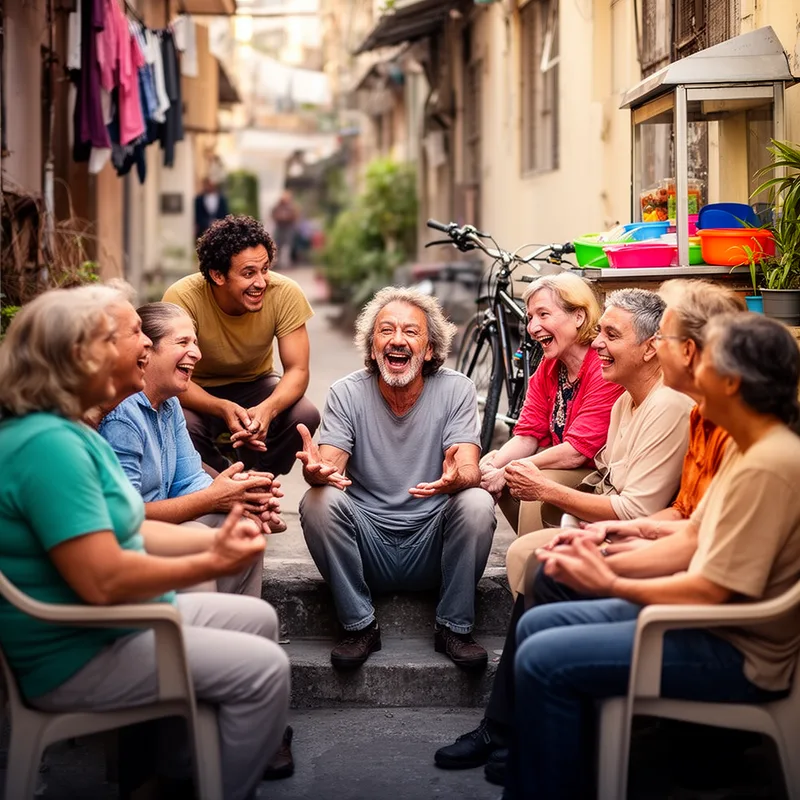
demotic
 1
8.5
1
8.5

- adjective
- /dɪˈmɒtɪk/
- Formal
- The festival featured demotic music that resonated with the local community's culture and traditions.
Examples
-
Ancient writers speak of him as de morticotatos, the most demotic, the most popular, the most democratic, if you will.
-
Public discourse has become more demotic; families, churches, and other institutions are more democratic.
Academic text (2007) -
Sometimes people don't have that demotic part of themselves adequately developed where it could do its job.
-
And because Britain is a much less democratic and culturally demotic society than the United States, the views of its elite prevail on such matters.
Academic text (2011) -
It certainly does glitter, though, and the same kind of bright appeal is the goal of the much flashier, more demotic food decorations prevalent in certain villages of the Philippines.
Academic text (1993) -
The newspaper became the demotic voice of the people, the masses—as opposed to the church or state—able to reflect the ever-changing desires, whims, and needs of that imagined community.
Academic text (2004) -
The film's humor was very demotic, appealing to the everyday experiences of its audience.
-
She preferred demotic language in her writing, making her work accessible to a wider readership.
Compounds


- Specialized
A simple handwritten Egyptian writing used for everyday documents in ancient Egypt
How Colloquial
1
8.6

- Informal
7
6.5
- Formal
1
8.5
98
3.1
675
2.7
- Formal
63
3.0
Surface Forms
Morphology
demotic = demo (transparent) = demo + ic
The element demo- meaning 'people' plus the adjectival '-ic' yields 'relating to ordinary people', a meaning an informed learner can derive from known words like 'democracy' or 'demographic'.
Etymology
Demotic comes from the Greek demos, meaning 'the people', the same root as democracy. So demotic describes language or culture that is ordinary, everyday, or informal, meaning things made by and for regular people.