
deist
- adjective
- /ˈdiːɪst/
- This is true for the labels Christian, deist, and atheist too.
Loading YouTube…
Watch on YouTubeIt was a deist nation, was a deist nation.
- It was a deist nation, was a deist nation.
- We might say, you know, the the deist conception of God that we see coming about later on in the Enlightenment fits in with this.
Examples
-
In discussions about religion, a common perspective is that of a deist belief, which acknowledges a supreme being without attributing active involvement in the world.
-
We might say, you know, the the deist conception of God that we see coming about later on in the Enlightenment fits in with this.
-
Many of them were deist, pantheist, and atheist.
Blog text (20) -
Conservative or liberal, deist or pagan, Jersey transplant or Lehigh Valley native, we're all in this mess together.
Blog text (26) -
The Feminist Caucus might research how many agnostic, atheistic, even deist, or simply rebellious organizations (nuns who want to be priests, gay and lesbian groups of color, and things of that nature) there are out there among women, say, or in communities of color.
Academic text (2007) -
The philosophical debate often centers around the characteristics of a deist God, who creates but does not intervene in human affairs.
-
Many Enlightenment thinkers embraced a deist view of the universe, believing in a creator who remains uninvolved in everyday life.
Synonyms

 1
9.7
1
9.7

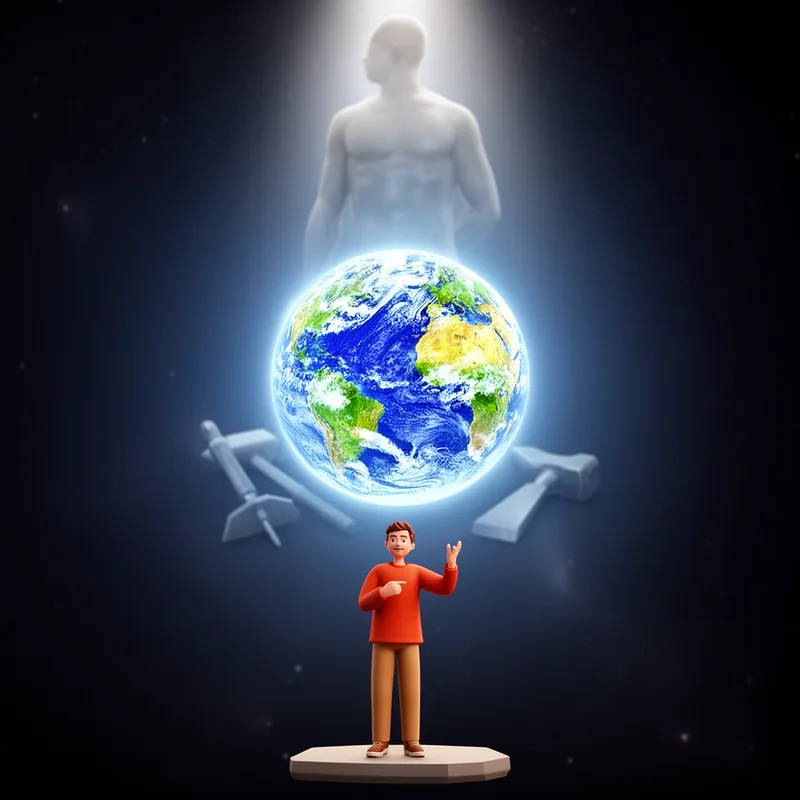
A belief that God made the world but does not act in it

Relating to the belief that God made the world but does not control it
Surface Forms
Etymology
The word deist comes from the Latin word deus 'god' plus the ending -ist, and it shares the same root as deity, so something described as deist relates to the idea of a creator who does not interfere with the world.