

defoliate
- adjective
- /dɪˈfoʊliˌeɪt/
- Specialized
- The trees appeared defoliate after the harsh winter.
Examples
-
The trees appeared defoliate after the pest infestation.
-
A region can become defoliate following a severe drought.
-
The defoliate branches contrasted starkly with the lush surroundings.
-
The defoliate plants struggled to survive the drought.
-
The defoliate trees stood bare against the winter sky.
-
After the storm, the defoliate landscape left many gardeners disheartened.
-
The defoliate branches revealed the intricate shapes of the trees.
Synonyms
 3
2.9
3
2.9

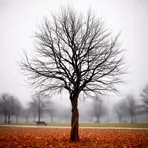
A tree or plant that has no leaves
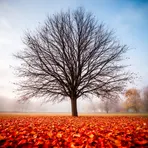
A tree that has lost most or all of its leaves

A plant without leaves, often to save water in dry places

Without its natural covering, often with trees or plants removed
Antonyms

Surface Forms
Etymology
Defoliate (adjective) comes from the parts de- 'remove' and folium 'leaf', just like foliage for leaves. So a defoliate branch or area is 'without leaves' or has had its leaves taken away.