
defoliant
 3
8.4
3
8.4

- noun
- /dɪˈfoʊliənt/
- Specialized
- The American people were becoming aware of the devastating effects of Agent Orange, the chemical defoliant used in Vietnam.
Examples
-
During the Vietnam War, about 100,000 hectares of mangrove forest were destroyed by herbicides and defoliants.
Academic text (2000) -
Today, farmers in the region apply 54 kilograms of herbicides, pesticides, and defoliants to each hectare.
Academic text (1996) -
American soldiers sprayed nearly 20 million gallons of defoliants across Vietnam, Laos, and Cambodia between 1961 and 1971 in a campaign to destroy jungles that provided cover to the enemy.
Blog text (28) -
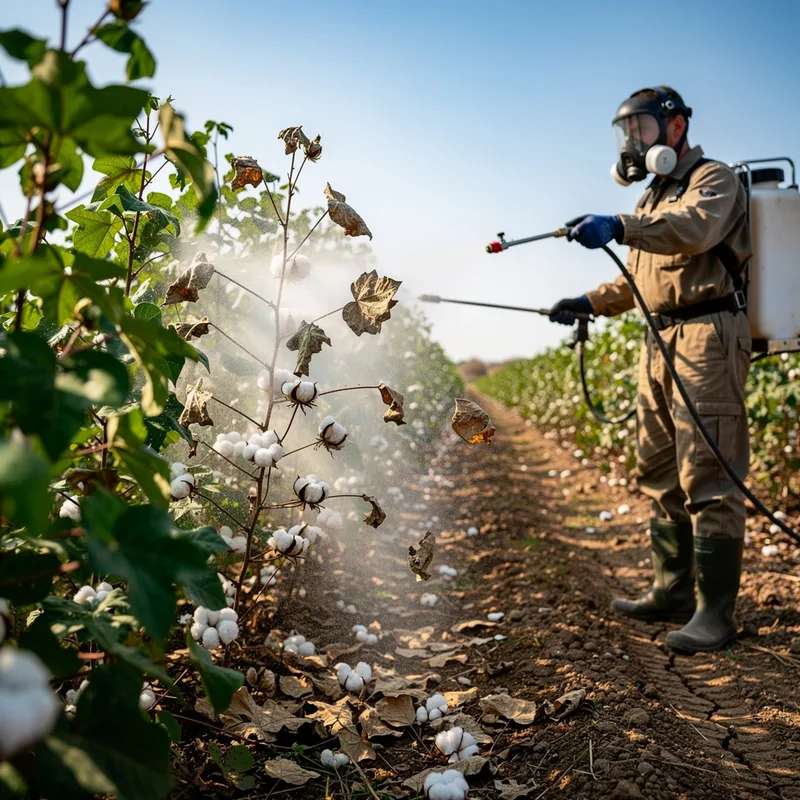
Farmers often rely on a chemical defoliant to enhance their crop yields by removing excess leaves.
-
The environmental impact of using a defoliant on crops has raised concerns among ecologists.
-
Before the harvest, the agronomist recommended applying a defoliant to promote better fruit development.
Synonyms
 1
9.7
1
9.7
An insect or small animal that eats the leaves of plants
How Potent

Surface Forms
Morphology
defoliant = defoliate (semi-transparent) = de + foli + ant
Given the verb 'defoliate', the suffix '-ant' transparently forms a noun meaning a substance or agent that causes defoliation.
Etymology
The word defoliant comes from the parts de- meaning 'remove' and foli- meaning 'leaf', the same root you see in foliage. So a defoliant is a chemical that 'removes leaves' or makes them fall off plants.