
defloration
- noun
- /ˌdɛfləˈreɪʃən/
- Offensive
- Some saw the graffiti as a defloration of the building’s historic façade.
Examples
-
The artist mourned the defloration of the old city center by modern development.
-
Many critics argued that the construction of highways through the park was an act of defloration of a natural treasure.
-
The defloration of the landscape was evident after the construction.
-
Many artists depict the defloration of nature in their work.
-
The construction of highways through the park was condemned as an act of defloration of a natural treasure.
-
Many community members viewed the graffiti as a defloration of the building’s historic façade.
-
The artist's latest exhibition highlighted the defloration of the old city center by unchecked urban development.
Synonyms

 33
6.8
33
6.8

The process of making land, water, or buildings worse over time
 21
4.4
21
4.4
A change in color that makes something look faded or stained
 21
8.9
21
8.9
An action that shows violent disrespect to a holy place or object
 19
7.9
19
7.9
A change that damages the original meaning or purpose
 9
7.3
9
7.3
A visible change that makes parts of the body look damaged after injury, disease, or birth defect
 3
9.3
3
9.3
Making something worse by adding bad parts or changing it
 3
7.4
3
7.4
Making something less pure or valuable by adding bad material
 1
7.4
1
7.4
Damage to the surface or appearance of something, often done on purpose

 1
3.4
1
3.4
An act that damages something so it becomes less enjoyable or valuable
 1
8.0
1
8.0
Damage to the look of something that makes it seem broken or ugly
 1
9.1
1
9.1
Making a place or building look less attractive
 1
9.0
1
9.0
Act of making art or language rough and low in quality
The loss of something's natural beauty or best condition

A dirty mark that spoils the look of clothing or fabric

A loss of respect that makes people think less of someone
Antonyms

How Damaging

Surface Forms
Morphology
Etymology
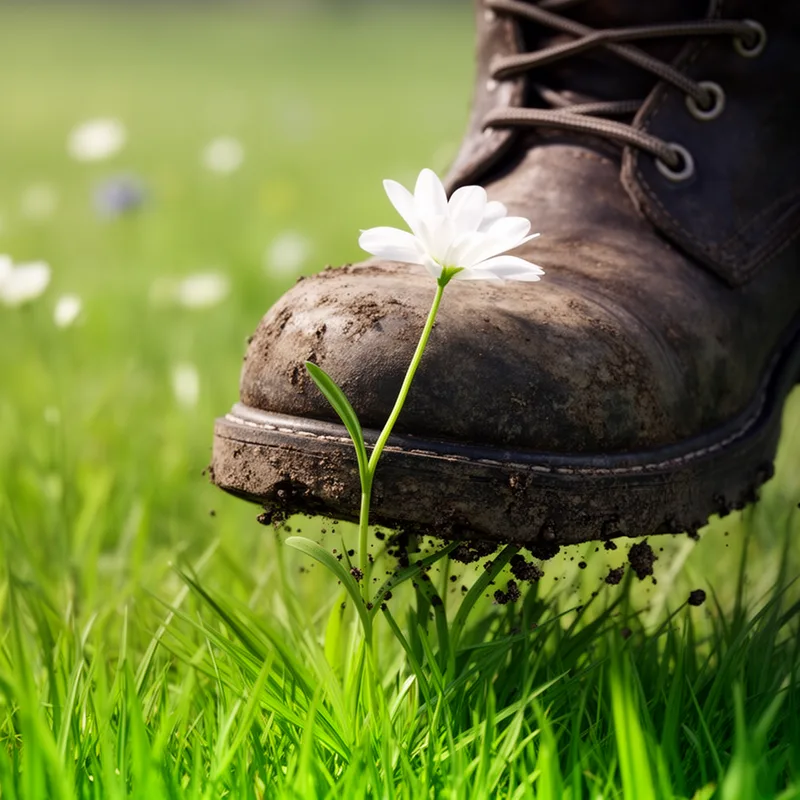
Defloration comes from Latin parts de- 'off' and flor 'flower', so it literally means 'taking off a flower' and is used to describe spoiling the beauty or innocence of a place or thing.