
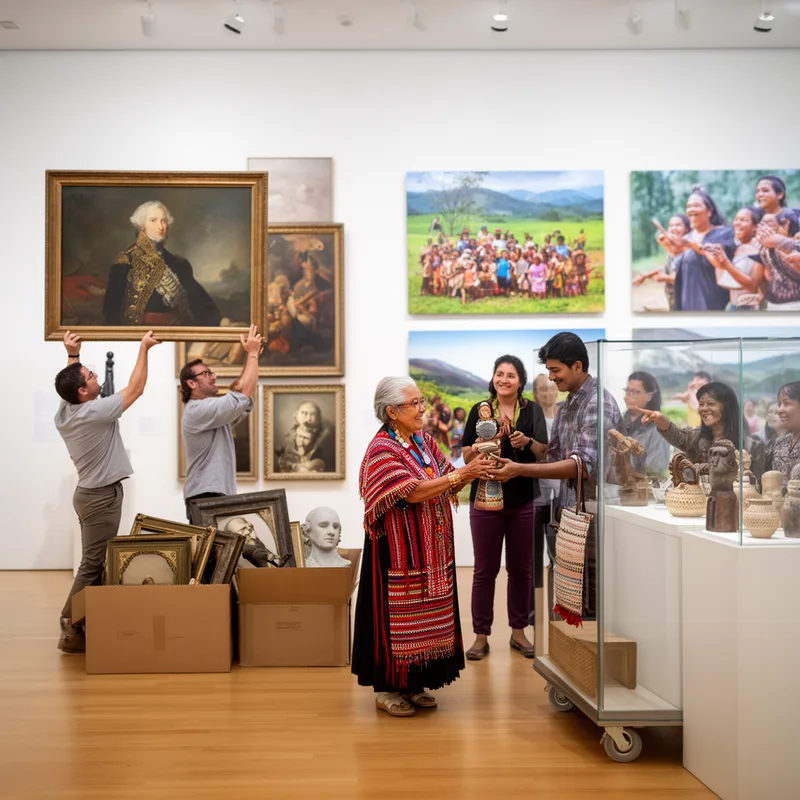
decolonization
- noun
- /ˌdiːˌkɒlənaɪˈzeɪʃən/
- Specialized
- The process of decolonization aims to include diverse Indigenous perspectives in education systems.
- decolonization process
- decolonization of archaeology
- Indigenous control, the decolonization
Examples
-
Decolonization is one strategy for confronting present-day issues and for analyzing past processes of colonization.
Academic text (2007) -
Becoming acquainted with Indigenous theory and practice and centering our concerns there constitutes the essential work of decolonization.
Academic text (2010) -
In efforts of decolonization, education plays a critical role.
Academic text (2005) -
At the same time, the growing movement toward decolonization in Asia
Academic text (1997) -
An important avenue of decolonization is education.
Academic text (2005) -
Above all, the decolonization of archaeology depends on a commitment to change.
Academic text (2005) -
In this article, we discuss recent developments in the decolonization of Australian archaeology.
Academic text (2005) -
The emphasis on decolonization models creates greater consciousness of the effects of colonization on culture, thought, and institutions.
Academic text (2007) -
The number one action item in decolonization is to erode the intellectual foundations of colonialism.
Blog text (32) -
Many scholars focus on decolonization to challenge the dominant narratives in historical studies.
Synonyms

Giving ownership or control to local people in business and government
Antonyms
 22
7.4
22
7.4

Control of one country by people from another country who live there and take its resources for profit
How Inclusive

Surface Forms
Morphology
decolonization = colonization (semi-transparent) = de + colonize + ation
Morphologically regular: 'de-' + 'colonization' indicates reversal or removal of practices associated with colonization.
Etymology
Decolonization can also mean removing colonial ideas and power from schools, museums, and books; it joins de- 'remove' with colonial 'relating to colonies', so it is about making space for Indigenous and local voices.