
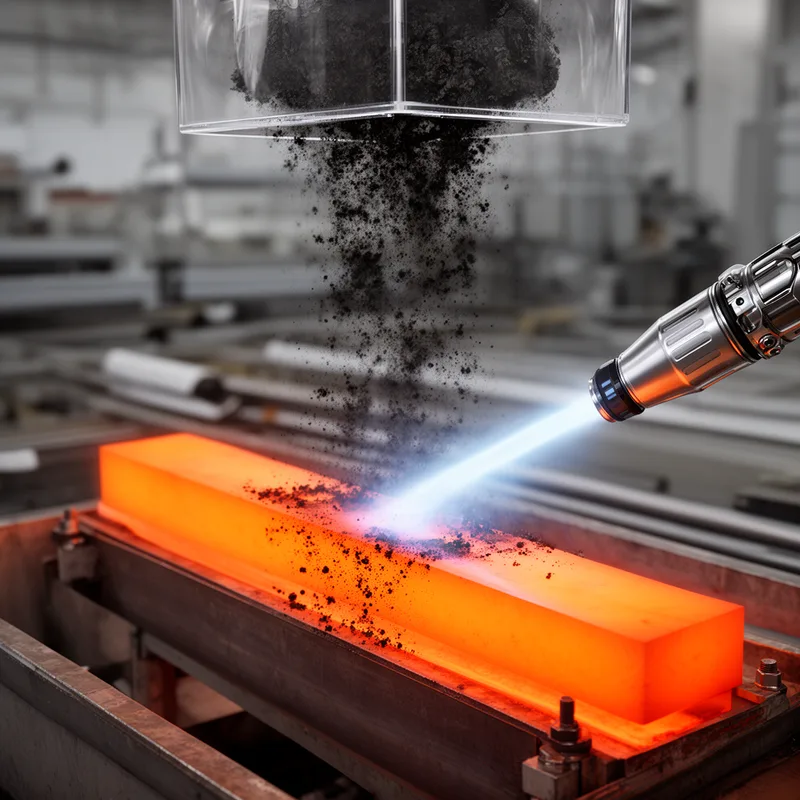
decarbonization
- noun
- /diːˌkɑːrbənaɪˈzeɪʃən/
- Specialized
- Effective decarbonization is essential for producing high-quality metals in modern manufacturing.
Examples
-
The steel plant invested in new technology to improve the decarbonization of its products.
-
Effective decarbonization in manufacturing is crucial for creating sustainable and high-quality metal products.
-
Environmental policies now encourage the decarbonization of industrial processes to reduce emissions.
-
The company's decarbonization efforts have been impressive.
-
Decarbonization is essential for a sustainable future.
-
The steel plant invested in new technology to improve the decarbonization of its products and minimize environmental impact.
-
Environmental policies now encourage the decarbonization of industrial processes to significantly reduce greenhouse gas emissions.
Surface Forms
Morphology
decarbonization = decarbonize (transparent) = de + carbon + ize + ation
The noun is a regular and easily interpretable action/result formation from the verb 'decarbonize'.
Etymology
Decarbonization comes from de- meaning 'remove' and carbon (from Latin carbo meaning 'coal' or 'charcoal'), so it means 'taking out carbon' from a material. That's why the word is used when factories or processes remove carbon to make cleaner metals or products.

