

data
 ∞
1.6

- noun
- /ˈdeɪtə/
- The scientist gathered all relevant data for the research study.
- data collection
- collect data
- data analysis
Loading YouTube…
Watch on YouTubeAnd we don't have good trial data to say yes or no.
- And we don't have good trial data to say yes or no.
- And if science doesn't have the data, we can't find the answer.
- But then, as now, data are not knowledge.
- I, I just love getting data and entering it.
- Trust is created from proof, from data, from stories, from examples.
- Our brain can't handle all of the data it, it receives.
- So I think that the data is pretty clear.
- So there are clinical data using a prescription drug.
- And he's the problem is the data never all fit.
Examples
-
It has some of the best data in the country.
-
Data says it was highly volatile.
-
So, you know, if you want data, see me.
-
And do we share data with some with all?
-
Time to figure out what data I can copy for a test.
-
Trust is created from proof, from data, from stories, from examples.
-
I love to play with the data set of baby names.
-
You are more able to collect data on how foods make you feel.
-
And we don't have good trial data to say yes or no.
-
Data indicates 15 separate weather events advancing at 155 miles per hour.
Synonyms
 ∞
1.0
Facts and details that tell you about a person or thing
 23
3.5
A set of related facts or numbers organized for study
Idioms

Compounds


- Specialized
29
3.7
Large sets of information that people analyze with computers to find patterns

 25
2.9
A single piece of information, for example one measurement or observation in a study


- Specialized
13
3.3
A continuous flow of information sent or processed by computers in real time

- Specialized
11
4.0
A method that finds useful patterns in large sets of data with computers

- Specialized
8
3.7
A set of steps a computer follows to get, change, or sort information


- Specialized
8
3.4
A set of computers and networks that store, send, and manage an organization's information

- Specialized
5
3.9
A way to store and organize data in a computer so programs can use it quickly



- Specialized
3
3.4
The speed at which digital information moves through a connection, measured in bits per second
- Specialized
3
3.7
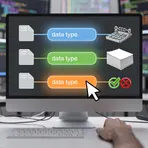
A category that shows what kind of information a place in a program can hold, for example numbers or text


- Specialized
2
4.0
A connection that sends and receives digital information between two places

- Specialized
2
3.5
Sending digital information between computers for use or storage

- Specialized
1
4.3
A way of changing information into a secret code so only people with the key can read it


- Specialized
1
2.8
Information kept in ledgers or spreadsheets that helps make financial reports
 1
4.9
A US government center that keeps the world's largest collection of weather and climate records

- Specialized
1
3.7
A machine or part of a computer that quickly does calculations and handles information automatically

- Specialized
1
5.6
A system that stores and shares large sets of data across many computers

- Specialized

 1
3.6
To change information from one format to another so it works in a new system

- Formal
1
3.9
A person or company that handles personal information for another organisation

- Specialized
1
4.1
A device or material that keeps information so you can use it later
- Specialized
1
3.4
Organizing information into a set layout so a computer can read and store it

- Specialized
1
4.1
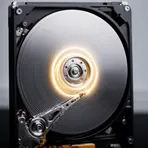
Using computers to change, store, or organize information without people doing it
- Specialized
1
5.0
A circular path on a disk that holds information for reading and writing

- Specialized
1
5.1
A device or program that changes information from one format to another, like turning sound into digital data

- Specialized
1
4.7
An arrangement of data in levels where groups contain smaller groups, like folders and files

- Specialized
1
4.8
An automatic system that collects and handles data in one place

- Specialized
1
3.3
A system that uses computers to handle business information for accounting and management


- Specialized
1
3.1
A tool used to put information into a computer, like a keyboard or mouse

- Specialized
1
4.3
To use computers to store, manage and handle business or accounting information

- Specialized
Something that lets several devices send data over one communication line

- Specialized
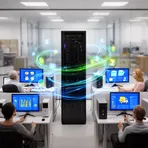
A way of handling data where parts run on different computers connected by a network

- Specialized
A set of computers and programs that store, process, and find data automatically

- Specialized
A ship system that collects and shows military information to help crews make decisions

- Specialized
Handling information in different places linked by a network
How Much
- Specialized
6
4.0

- Specialized
440
3.4
- Specialized
23
3.5
∞
1.6
25
2.9
Surface Forms
Etymology
Data comes from the Latin datum meaning 'something given', from the verb dare 'to give'. So, think of data as bits of information 'given' to you, facts and numbers you collect to understand things or make decisions.