

czarism
- noun
- /ˈzɑːrɪzəm/
- US
- The rise of czarism in 19th century Russia engendered widespread dissent and calls for reform.
Examples
-
During the period of czarism, the Russian people faced significant repression from their leaders.
-
A right-wing, nationalist Russia may find (or buy) a few sympathizers abroad, as Czarism did in its day, but not much more.
Academic text (2015) -
Were not the old movies about Russians heroically fighting czarism or Nazism covert communist propaganda?
Academic text (1999) -
The system of czarism in Russia often enforced strict control over the populace and limited political freedoms.
Synonyms

 11
8.7
11
8.7

A system where one person or small group has almost all political power
 7
9.6
7
9.6
A government where one person or group has all power and rules cruelly

 1
9.9
1
9.9
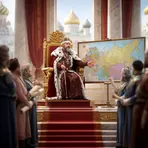
The rule of a czar

The time when a czar rules a country, especially Russia
Antonyms

How Authoritarian
- Formal
19
9.3

- Formal
7
9.6
- US
66
3.9
782
1.6
Surface Forms
Morphology
Etymology
Czarism comes from czar, also spelled tsar, and that name comes from the Roman name Caesar, which meant 'emperor'. So czarism is rule by a czar, one powerful leader, and that's why we often use it for strong or unfair rule.