

cytoplastic
- adjective
- /ˌsaɪtəˈplæstɪk/
- Specialized
- Researchers examined the cytoplastic changes that occurred after the nucleus was removed.
Examples
-
The cytoplastic region of the cell was isolated for further study.
-
Advances in cytoplastic techniques have made cell manipulation more precise.
-
The cytoplastic membrane plays a crucial role in cell function.
-
In cytoplastic studies, researchers examine the cell's organelles.
-
Researchers examined the cytoplastic changes that occurred after the nucleus was removed.
-
Advances in cytoplastic techniques have made cell manipulation more precise.
-
The cytoplastic region of the cell was isolated for further study.
Synonyms

 2
7.1
2
7.1

Inside the liquid part of a cell
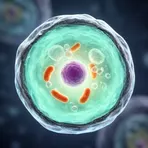
Relating to the jelly-like fluid inside a cell

Located outside the part of a cell that holds DNA
Surface Forms
Morphology
Etymology
Cytoplastic is made of cyto- ('cell') and -plastic ('to form' or 'shape'), the same idea as the everyday word plastic which can be shaped. So cytoplastic refers to the shape or form of the cell's contents, especially the part outside the nucleus.