
cytoplasm
 4
5.2
4
5.2

- noun
- /ˈsaɪtəˌplæzəm/
- Specialized
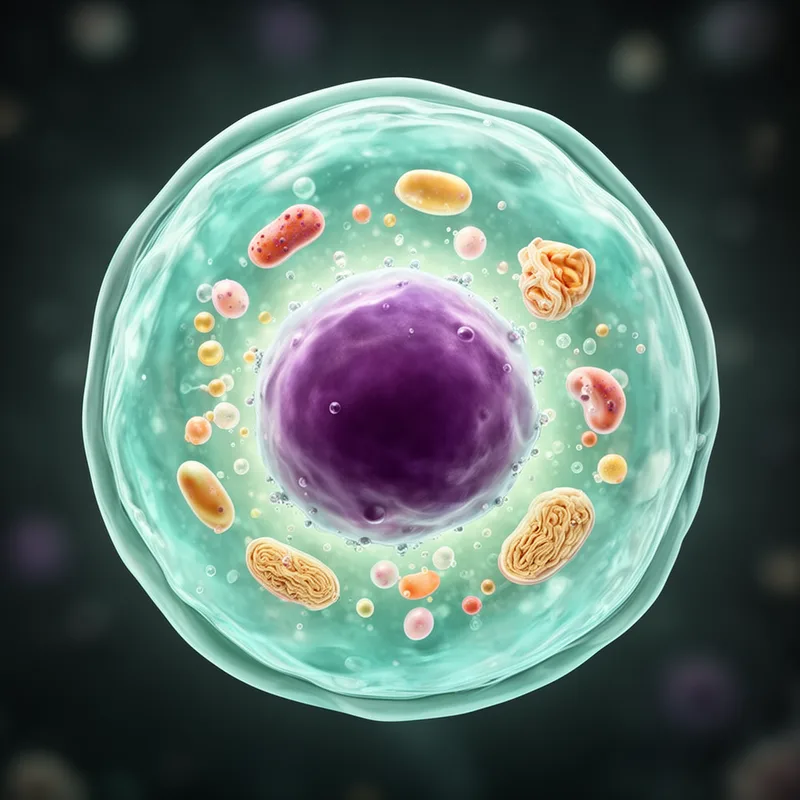
- She explained that the cytoplasm is the jelly-like substance where organelles are suspended within each cell.
- eosinophilic cytoplasm
- granular cytoplasm
- abundant cytoplasm
Loading YouTube…
Watch on YouTubeThey were very simple bags of cytoplasm with free floating DNA in them.
- They were very simple bags of cytoplasm with free floating DNA in them.
- And that goes that's exported from the nucleus out into the cytoplasm, the rest of the cell, and then this very large molecule.
Examples
-
All they're carrying are the Dnas, the genes, the the DNA, and they don't have cytoplasm, the fluid, the environment in a cell.
-
The columnar cells showed abundant cytoplasm, with oval-shaped nuclei.
Academic text (2015) -
So this will color all the cells that have got cytoplasm in them a pinky color.
-
Under the microscope, the nucleus appeared blue and the cytoplasm red.
Academic text (2015) -
The mitochondria inserted within the cytoplasm...
-
Foreign DNA can enter the cell cytoplasm directly through these transient holes.
Academic text (1992) -
They were very simple bags of cytoplasm with free floating DNA in them.
-
The viral messenger RNA migrates into the cytoplasm, where building blocks for a new virus are synthesized.
-
Most circRNAs originate from exons and are localized in the cytoplasm; therefore, an intriguing question is whether circRNAs could be translated.
Academic text (2017) -
PLGA cytology is characterized by the presence of cuboidal cells with abundant cytoplasm, round to oval nuclei, and inconspicuous nucleoli.
Academic text (2006)
How Much

Surface Forms
Morphology
Etymology
Cytoplasm comes from two Greek parts: cyto- meaning 'cell' and -plasm meaning 'a thing formed'. So cytoplasm is the formed, jelly-like substance that fills a cell around the nucleus, which is why the word means the material inside a cell outside the nucleus.