
current electricity
 1
3.7
1
3.7

- noun
- /ˈkɜːrənt ɪˌlɛkˈtrɪsɪti/
- Specialized
- In many countries, you can now get solar on your rooftop with payments 20% less than your current electricity bill, while still leaving enough for strong profits for those installing and financing the systems.
- direct current electricity
- current electricity consumption
Examples
-
The supply of negawatts is alleged to be between 22 and 64 percent of current electricity consumption; in other words, if the economy made use of the most efficient technology on the market today, electricity consumption could be cut by 22 to 64 percent, depending on who's doing the counting.
Academic text (1999) -
With constant flowing current electricity, new chemical elements could be isolated with ease.
-
In fact, China's wind regime is large enough to double its current electricity use.
Academic text (1999) -
Hydrogen can be generated from water by using direct current electricity, which can be made in many non-polluting ways.
Blog text (25) -
At current electricity prices, and assuming no government subsidies or feed-in tariffs, this would mean a payback period of 37-63 years, depending on the county and the application.
Academic text (2012) -
Engineers use current electricity to power the devices in our homes safely.
-
The current electricity flows through wires to light up our streets at night.
-
The circuit was designed to measure the flow of current electricity used by the appliance.
Synonyms
 41
3.7
41
3.7
A flow of electricity through a wire or circuit
 8
3.0
8
3.0
A flow of electricity through a wire that carries energy
A flow of electricity, like the current in a wire
Antonyms

- Specialized
11
4.1
An electric charge that builds on a surface when things rub together, causing small shocks or making hair stand
Surface Forms
Morphology
The meaning "electricity resulting from the flow of charge" is directly derivable from combining 'current' (flow/movement) with 'electricity' (electrical energy); the phrase simply specifies the type of electricity. This compositional pattern is regular and cross-linguistically common, so a B1 learner who knows both words should be able to infer the intended sense and distinguish it from 'static electricity'.
Etymology
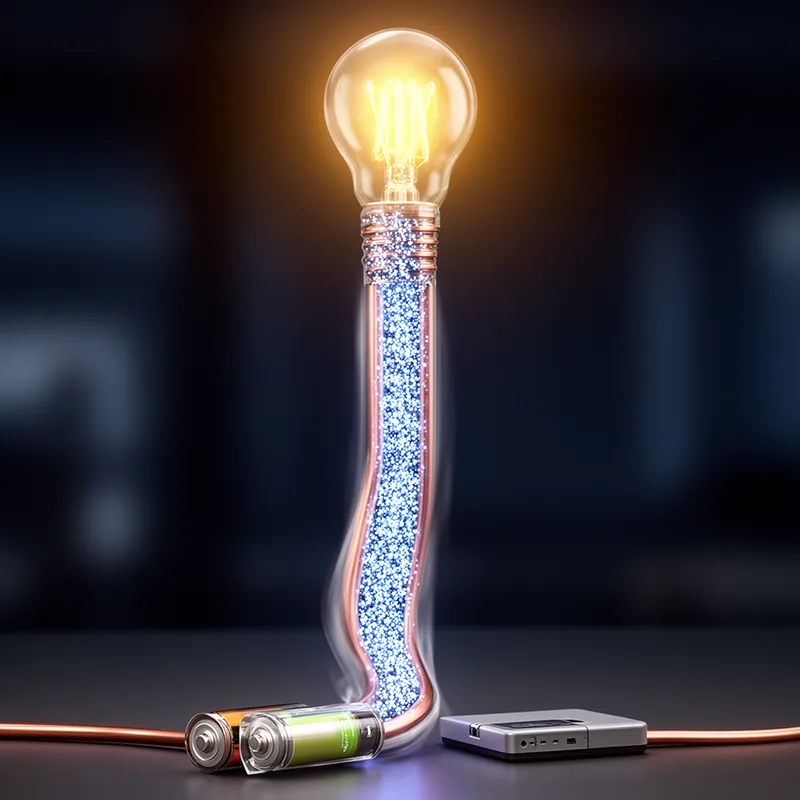
Current electricity uses current like a river current to show that the electricity moves through a wire. One simple image is a steady flow that powers lights and machines, so 'current electricity' means electricity that flows, not 'static electricity'.