
curiouser
- interjection
- /ˈkjʊəriər/
- Literature
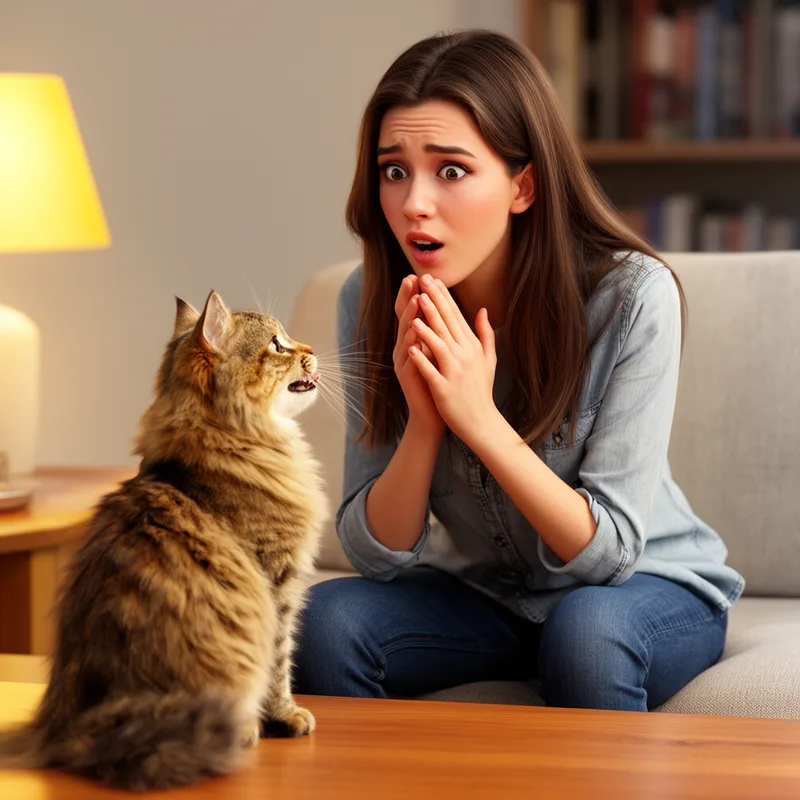
- When the cat started talking, she whispered curiouser in disbelief.
Examples
-
That was curiouser than I expected!
-
The events of the day kept getting curiouser, leaving everyone confused.
-
He found a second hidden door and muttered curiouser as he examined it.
-
Every time I think I understand, it gets curiouser.
-
curiouser and curiouser, the mystery deepened with each new clue!
-
She said, 'curiouser and curiouser!' when she saw the peculiar creature.
-
As the events unfolded, he couldn't help but exclaim, 'curiouser and curiouser!'
Synonyms

 347
8.9
347
8.9

An angry or surprised question showing you do not believe something
 90
8.9
90
8.9
A short cry to show surprise, confusion, disbelief, or casual acceptance
 8
2.6
8
2.6
Words people say when they are surprised to see something

A short phrase people say to show surprise or confusion

A short phrase people say to show surprise at something amazing

A word people say to show strong surprise
How Puzzled
- Offensive
26
9.9

- Literature
- Informal
8
2.6
Surface Forms
Morphology
Etymology
Curiouser as an exclamation comes from the same comparative of curious and became famous in Lewis Carroll's line 'curiouser and curiouser', so people use it to show 'surprise' or puzzlement when something gets stranger.