
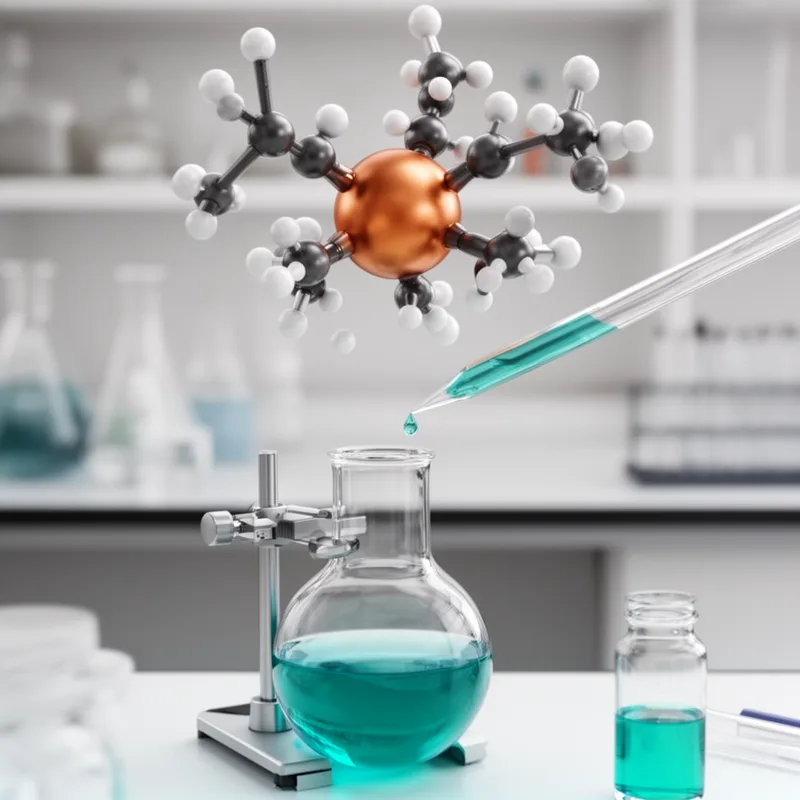
cuprate
- noun
- /ˈkjuːpreɪt/
- Specialized
- Adding a cuprate can help achieve selective transformations in organic chemistry.
Examples
-
The synthesis required a cuprate to facilitate the chemical reaction.
-
Researchers studied the properties of the new cuprate compound in the laboratory.
-
The cuprate compound was synthesized in the lab.
-
Can you explain what a cuprate is?
-
To analyze the reaction, the chemist prepared a cuprate that would enhance the process.
-
In their latest experiment, scientists successfully created a new cuprate to test its reactivity.
-
The effectiveness of the reaction improved significantly when a cuprate was included in the mixture.
Surface Forms
Morphology
cuprate = copper (semi-transparent) = cupr + ate
The relation to 'copper' is clear, but the organometallic/reagent sense depends on specialized chemical usage of '-ate' and so is not fully transparent to general learners.
Etymology
Cuprate comes from the old Latin cuprum (from Cyprus) and the suffix -ate for chemical compounds; so in organic chemistry a cuprate is a compound 'where copper is joined to parts of organic molecules', and this explains its use as a special reagent in reactions.

