
cuprate
- adjective
- /ˈkjuːpreɪt/
- Specialized
- Many high-temperature superconductors are based on cuprate compounds.
Examples
-
Researchers are studying a new cuprate material for superconductivity.
-
The cuprate compounds exhibit unique electrical properties.
-
The scientist analyzed the cuprate material to understand its superconducting properties.
-
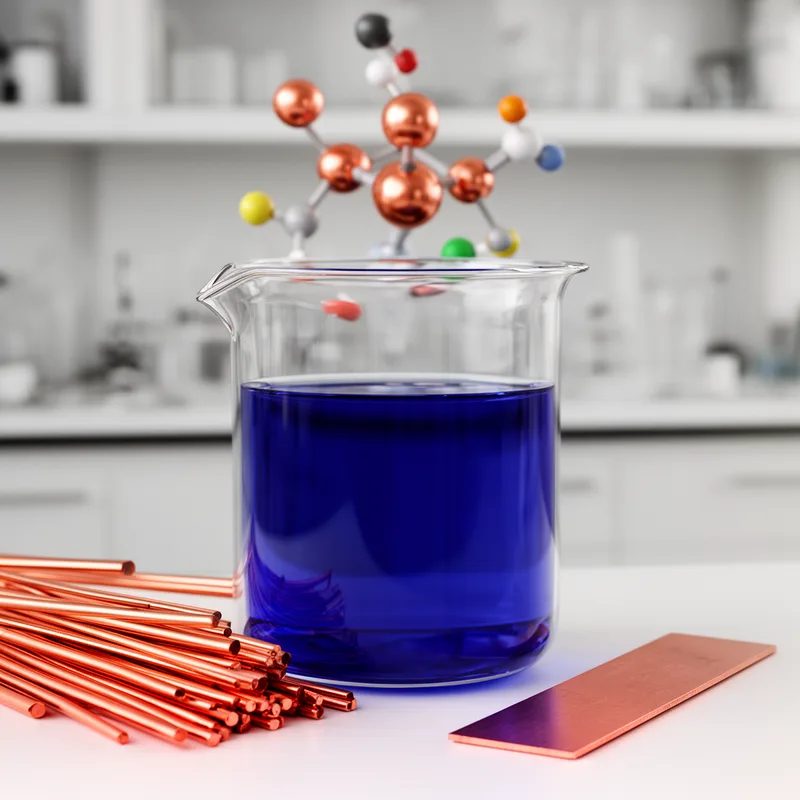
The cuprate solution changed color when mixed with another chemical.
-
Many high-temperature superconductors are based on cuprate compounds.
-
The scientist analyzed the cuprate material to understand its superconducting properties.
-
Researchers are studying a new cuprate material for superconductivity.
Surface Forms
Morphology
cuprate = copper (semi-transparent) = cupr + ate
The element relation to 'copper' is clear, but the technical chemical suffix '-ate' makes the formation specialized and may not be obvious to general learners.
Etymology
Cuprate comes from the old Latin name cuprum, which itself comes from the island Cyprus, a place famous for copper long ago; the ending -ate is used in chemistry for salts or compounds, so a cuprate is a compound 'containing copper' or 'made with copper'.

