
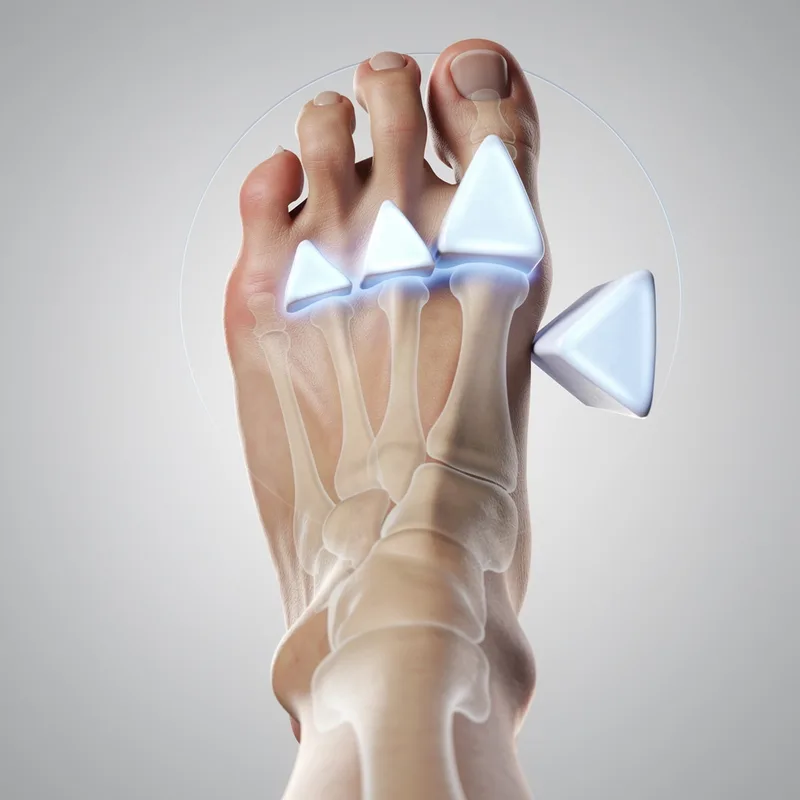
cuneiform
 1
9.3
1
9.3

- adjective
- /ˈkjuːnɪfɔːrm/
- Specialized
- He revealed the crumbling ruins of the ziggurat, as well as cuneiform tablets that identified the site as the biblical "Ur of the Chaldees," birthplace of Abraham in Genesis.
Examples
-
The foot contains cuneiform bones that help with balance and movement.
-
The cuneiform shape of the bone provides strength to the structure of the foot.
-
This is the cuneiform tablet containing the name of Jabin, found in remains of the palace in ancient Hazor.
-
Many of its sculptures, cuneiform inscriptions, and stone friezes now grace the halls of the British Museum.
Academic text (2018) -
No doubt dealers selling these cuneiform tablets would claim that they have been in circulation for years and moved out of Iraq at a time long predating the Gulf War.
Academic text (2003) -
The Cyrus Cylinder is a cuneiform inscription that Cyrus the Great ordered to be made during the conquest of Babylon.
-
In addition, cuneiform sources attest to Kassite tribes living in the ancient region of Namri in the hills somewhere northeast of Babylonia, at least by the twelfth century.
Academic text (1991) -
Due to their cuneiform design, these bones are essential for proper walking.
Synonyms
 1
3.9
1
3.9
Wide at one end and narrowing to a point at the other

Shaped like a wedge
Compounds
How Wedge-shaped

Surface Forms
Morphology
Etymology
Cuneiform comes from the Latin cuneus meaning 'wedge' and -form meaning 'shape'. So a cuneiform bone is simply 'wedge-shaped', which explains the name.