

cryptic coloration
- noun
- /ˈkrɪptɪk ˌkoʊləˈreɪʃən/
- Specialized
- Many animals exhibit cryptic colorations in their natural habitats.
Examples
-
The arctic hare has white cryptic coloration during winter to match the snow.
-
Many insects rely on cryptic coloration to remain unnoticed on tree bark or leaves.
-
The chameleon's cryptic coloration helps it blend into leafy branches to avoid predators.
-
The chameleon uses cryptic coloration to hide from predators.
-
The cryptic coloration of the chameleon allows it to blend seamlessly with its environment.
-
Birds use cryptic coloration to avoid predators by blending in with the leaves.
-
The cryptic coloration of the octopus makes it nearly invisible against the coral reef.
Synonyms

Body colour that helps an animal blend into where it lives to avoid being seen
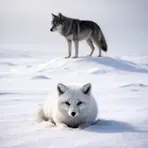
Coloring on an animal that helps it hide from predators
Antonyms
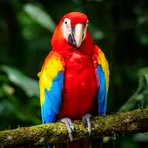


How Concealed
- Specialized

- Specialized
Surface Forms
Morphology
The phrase combines 'cryptic' (hidden or obscure) with 'coloration' (surface color or pattern), so the meaning 'hidden coloring that helps an animal blend in' is directly derivable from the constituents. Although somewhat scientific, the compositional logic is clear and cross-linguistically common, so a B1 learner who knows both words should be able to infer the MWE's meaning.
Etymology
Cryptic coloration suggests being hidden: animals use special coloration to match leaves, bark, or snow so they are hard to see. So, cryptic coloration means 'natural coloring' that helps an animal 'blend in' and 'avoid detection'.