
apatetic coloration
- noun
- /ˌæpəˈtɛtɪk ˌkoʊləˈreɪʃən/
- Specialized
- The chameleon uses apatetic coloration to blend into its surroundings and avoid detection.
Examples
-
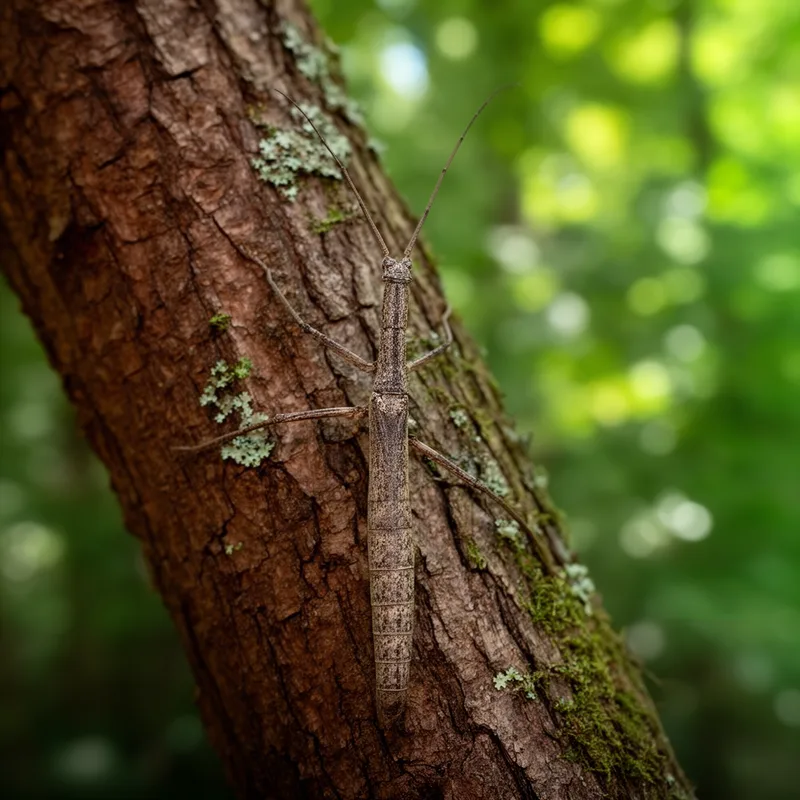
The stick insect's apatetic coloration makes it nearly invisible among tree branches.
-
The chameleon uses apatetic coloration to hide from predators.
-
Many animals rely on apatetic coloration as a primary defense against predators.
-
Researchers studied the effectiveness of apatetic coloration in various lizard species.
-
Many species exhibit apatetic colorations in their natural habitats.
-
Many animals rely on apatetic coloration as a primary defense against predators.
-
The stick insect's apatetic coloration makes it nearly invisible among tree branches.
Synonyms

Body pattern that helps an animal blend into the background to avoid being seen

Coloring on an animal that helps it hide from predators
How Camouflaged
- Specialized

- Specialized
Surface Forms
Morphology
apatetic + coloration
The phrase is a straightforward adjective + noun composition: 'apatetic' (pertaining to deceptive or camouflaging appearance) modifies 'coloration' (surface color pattern), so the combined meaning ‘coloration that provides camouflage’ is directly derivable from the parts. Note that 'apatetic' is a rare, technical term, so a typical B1 learner probably would not know the adjective, but if they did know both constituents the meaning is fully transparent.
Etymology
Apatetic coloration may come from an old word that means 'deceive', so picture apatetic as 'deceive' and coloration as an animal's colours that trick the eye. That's why apatetic coloration means the colours animals use 'to hide' and blend into their surroundings.

