
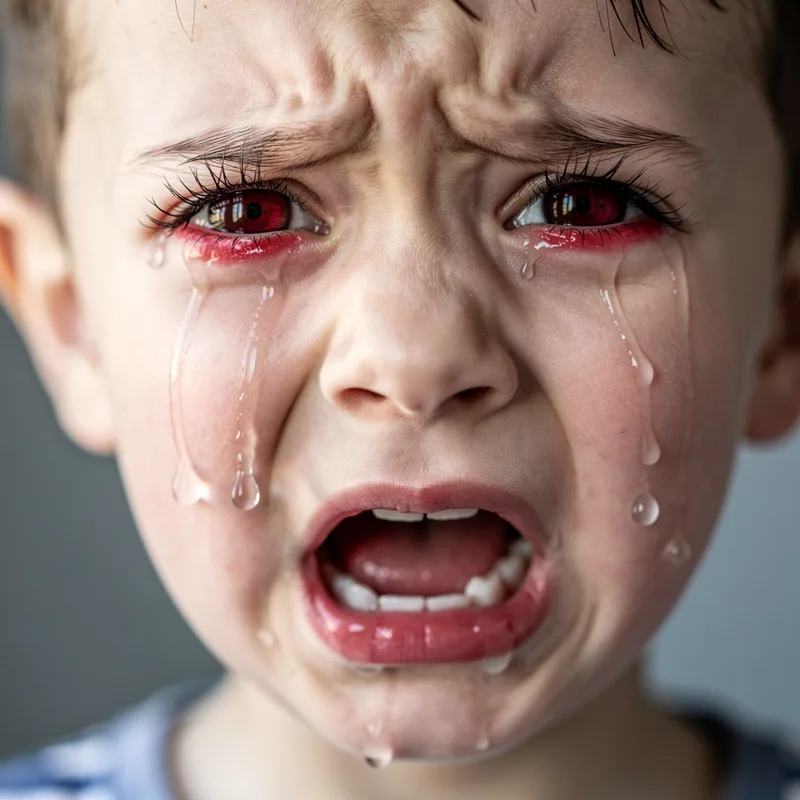
crying
 119
1.0

- noun
- /ˈkraɪɪŋ/
- The mother's crying during the emotional scene in the movie made everyone in the theater feel her pain.
- the baby's crying
- crying and whimpering
- crying and screaming
Examples
-
Crying is the most easily recognizable symptom of pain, the most conspicuous external marker of sadness.
Academic text (2017) -
Crying gives way to sniffles, and Lesha tries to regain her composure.
Fiction book (1993) -
After this week of crying and stress, I am.
-
Her most recent book, with Barry Lester, Ph.D., is Why Is My Baby Crying?
Academic text (2005) -
After a long day, the child's crying was a clear sign that he was tired.
-
Crying can be a natural response to grief or overwhelming emotions.
Synonyms
 512
1.0
Drops of water that come from your eyes when you feel sad or happy
 66
2.0
Crying because you feel very sad or touched
 30
1.0
A time when someone has tears because they feel sad or upset
 19
3.2
A long loud cry that shows pain or deep sadness
 18
1.4
A time when someone cries with tears and sobs
 16
1.0
Short gasping sounds someone makes while crying loudly
 11
3.5
Loud long cries made when someone feels deep pain or sadness
 11
4.1
A long loud cry that shows strong feeling
 5
1.4
The flow of tears from the eyes because of feeling or eye irritation
 2
3.5
Loud, noisy crying when someone is very upset


 1
4.3
A feeling of having many tears and wanting to cry because of sadness
 1
8.6
Tears that come from the eyes because of feelings or eye irritation

Tears that suddenly flow because of a strong feeling
Antonyms


Idioms



How Intense

Surface Forms
Morphology
Etymology
Crying comes from an old French word crier meaning 'to shout' or 'call out'. That loud-call idea moved to the sounds people make when they are hurt or sad, so crying now means 'shedding tears' often with loud sounds of pain or upset.