
craniosacral


 1
9.9
- adjective
- /ˌkreɪniəʊˈseɪkrəl/
- Specialized
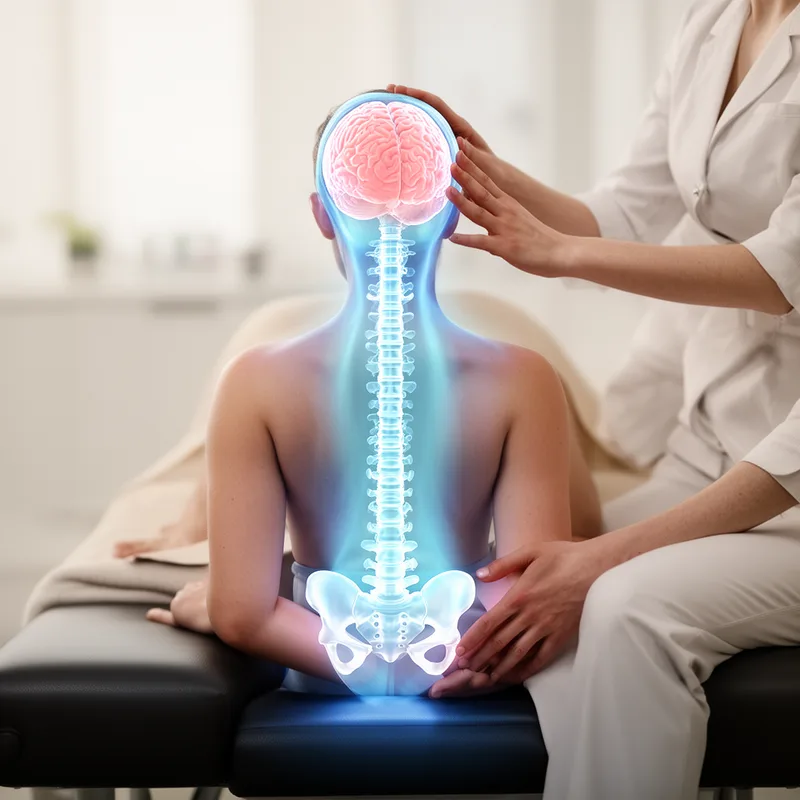
- Craniosacral therapy focuses on the subtle connection between the craniosacral skull and sacrum to promote healing.
- craniosacral therapy
Examples
-
I am certified through Memorial Sloan Kettering Hospital in Medical Massage for the cancer patient and received my training in craniosacral therapy through the Upledger Institute (Level I and II).
Blog text (29) -
Please consider, for both of you as part of emotional healing, looking into craniosacral therapy.
Blog text (27) -
Your last sentence is actually what PalMD has been talking about, if you could pull your obsessive head out of your craniosacral condition long enough to read for comprehension.
Blog text (28) -
My passion is "energy work" as I sense the world around me through vibrations that I receive visually, auditorily, and kinesthetically (meridian massage, healing touch, reflexology, and craniosacral therapy are my modalities of choice).
Blog text (29) -
During the session, the therapist used craniosacral techniques to ease tension in my head and lower back.
-
The practitioner explained that craniosacral work is essential for balancing the body's central nervous system.
Surface Forms
Morphology
Etymology
The word craniosacral is made of cranio-, which means 'skull' and you can see it in cranium, and sacral, from sacrum, which means 'base of the spine'. So craniosacral describes something that relates to both the skull and the bottom part of the spine.