
crampbark
- noun
- UK
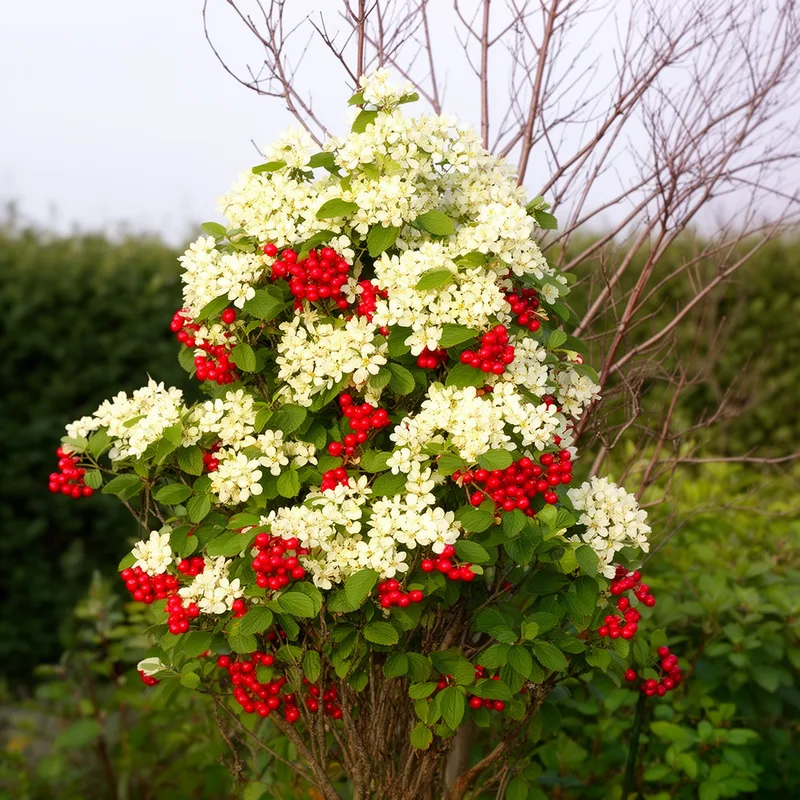
- The crampbark in our garden blooms with delicate white flowers every spring.
Examples
-
The crampbark shrub has beautiful white flowers in spring.
-
You can often find crampbark growing in thickets along hedgerows and woodland edges.
-
Clusters of bright red berries make crampbark easy to spot in the wild.
-
Traditional herbalists often recommend crampbark for natural remedies.
-
I saw a crampbark plant in the garden yesterday.
-
The crampbark shrub produces clusters of bright red berries during the summer.
-
In early spring, the crampbark showcases its lovely white flowers before the leaves appear.
Synonyms


 1
9.1
1
9.1
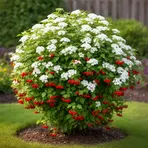
A bush with white flowers and bright red berries often grown in gardens

A bush with clusters of white flowers and bright red berries that loses its leaves in winter

A bush with clusters of white flowers and small bright red berries
Surface Forms
Morphology
Etymology
Crampbark comes from the two plain words cramp and bark, because people once used the plant's bark to help with 'cramps' or 'sudden pain in muscles', so the name points to the part of the shrub that was used as a medicine.