

crackable
- adjective
- /ˈkrækəbl/
- The old ceramic vase was so crackable that it needed to be handled with extreme care.
Examples
-
If the paint is crackable, it may peel off the wall during the winter months.
-
After years in the sun, the plastic pipes became crackable and started to leak.
-
The old vase is crackable due to its age.
-
Is this material crackable under pressure?
-
The old plaster on the walls is so crackable that it chips away with the slightest pressure.
-
After years of exposure to sunlight, the plastic became crackable and started to break apart.
-
If you store these cookies in a humid environment, they will become stale and crackable.
Synonyms
 31
3.9
31
3.9

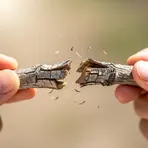
Hard and likely to break
 5
1.3
5
1.3
Easy to damage or fall into pieces


 1
9.9
1
9.9
Easily broken or damaged
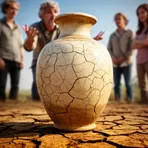
Having many thin broken lines on the surface or describing someone slightly odd

Breaks when pressure is applied
Antonyms


How Brittle

Surface Forms
Morphology
Etymology
Crackable comes from crack 'a break or line in something' and the ending -able 'can be done'. So it describes things that can form cracks or break when they are stressed, old, or hit by strong heat or cold.