
course
 11
7.0
11
7.0

- noun
- /kɔrs/
- Specialized
- I had already measured, cut, and drilled the bottom course of logs.
Loading YouTube…
Watch on YouTubeAre you talking about the term outer course?
- Are you talking about the term outer course?
Examples
-
From this foundation begins the first course of brick for building a machine controller that can plan its own work.
Academic text (2002) -
During the renovation, the workers removed the damaged course of stones before adding a new one.
-
So the course this year has three layers.
-
Identified below and seen in Figure 1 are the components of this course.
Academic text (2003) -
"It's cheaper to lay just one course," one of them replied.
Academic text (2003) -
GnomeCon is actively recruiting volunteers to commit eight hours over the course of the three-day weekend.
Blog text (26) -
The architect designed the building with three distinct courses of bricks to improve stability.
-
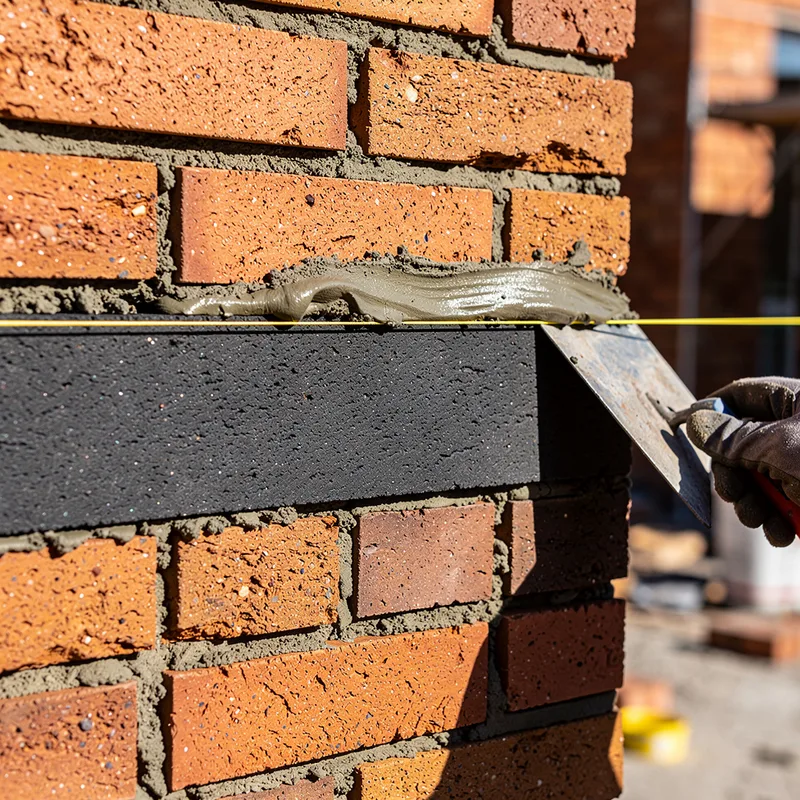
To build the wall correctly, ensure each course is level and aligned for a solid structure.
Synonyms
 389
1.0
389
1.0
A line of things or people placed side by side


 1
2.6
1
2.6
A straight line of bricks laid side by side in a wall
Idioms





Compounds



 20
3.8
20
3.8
A situation likely to lead to conflict between people or groups if not changed





 6
3.3
6
3.3
A course where teachers send lessons and students return work by mail or online for home study



 2
3.4
2
3.4
A list of classes a college or university offers with times, requirements, and descriptions

- Specialized
1
3.4
An official record that a college gives for a completed course toward a degree






A series of talks about one subject that teachers give at a university or college


- UK
A layer of waterproof material at the bottom of walls near the ground that stops moisture rising

A layer of waterproof material in a wall near the ground that stops water rising





Surface Forms
Etymology
Course (masonry) comes from the idea of something that 'runs' along a surface, from Latin cursus and currere 'to run'. A brick course is a row that 'runs' across a wall, which is why we call it a course.