

count
 142
8.2
142
8.2

- noun
- /kaʊnt/
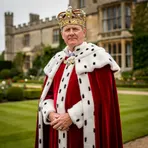
- For his service, Andrei Razumovsky was promoted from count to prince by the czar.
Loading YouTube…
Watch on YouTubeYou know, and Quincy Jones arrangements Count Basie Orchestra.
- You know, and Quincy Jones arrangements Count Basie Orchestra.
- I don't know what it's it's the Count Basie Theatre in Red Bank, NJ.
- But if you were to read another book, How to Murder Your Life by Count Marnell is a great read.
- I see nautical dads with the boat shoes and I see Count Dracula.
- Is that like a smiley Guantanamo Count Boniface?
- This is when I knew that the Christian count was chalked, right.
Examples
-
He could become a count, even a duke.
-
The pope bestowed Forli on his own nephew Girolamo Riario, count of Imola, and compensated Lucrezia handsomely.
Academic text (1999) -
Dear Count, will you join us?
-
You are the real Count!
-
What is the count's favorite number?
-
Before the startled Count could set down his cup, the cat was on him.
Fiction book (2000) -
Didn't you want to become a count or a duke?
-
To my great relief, the count lowered the pistol and stuck it into his sash.
Fiction book (1997) -
After Salim's reign began, he was quickly made Duke of Nexus and Count of Andros and Paros.
-
The nobleman, known as the count, attended the royal banquet in his finest attire.
Synonyms
 335
4.8
335
4.8
A man who has a noble title and may sit in the House of Lords
 63
5.3
63
5.3
A person from a high social family with a title
 14
5.6
14
5.6
A man from a high social class who has a title
 9
8.8
9
8.8
A British noble who ranks between a marquess and a viscount
Idioms



- Informal
5
8.1
Completely unable to move or continue because of extreme tiredness


Compounds




- Specialized
10
3.0
A medical test that measures red and white blood cells and platelets in a blood sample


- Specialized
1
3.3
A number that shows how much pollen is in the air and the risk of allergies

- Specialized
A medical test that counts red blood cells, white blood cells, and platelets in a blood sample




- Specialized
A test that counts each type of white blood cell in a small blood sample

Surface Forms
Etymology
Count as a noble title comes from the Latin word comes, which meant 'companion' or 'helper' of a ruler and later became Old French comte. So a count was originally an important companion to the ruler, which is why it became a high title.