

corneous
- adjective
- /ˈkɔrnɪəs/
- Specialized
- The corneous layer of the skin protects the underlying tissues.
Examples
-
Some animals have corneous structures like horns and claws.
-
The scientist noted the corneous texture of the specimen's beak.
-
Many snails possess a corneous operculum to close their shells.
-
The turtle's shell has a corneous layer that provides extra protection.
-
The scientist noted the corneous texture of the specimen's beak.
-
The turtle's shell has a corneous layer that provides extra protection.
-
Some animals have corneous structures like horns and claws.
Synonyms

 4
7.6
4
7.6

Made from the hard, curved material on some animals or from a similar material
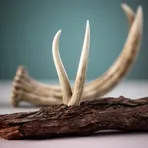
Shaped like a horn
How Hard

Surface Forms
Morphology
corneous = horn (semi-transparent) = corne + ous
The meaning 'horn-like' is derivable from the base concept (horn), but the visible form 'corne-' does not match the common English word 'horn', so learners may not immediately recognise the relation.
Etymology
Corneous comes from the Latin word cornu, which means 'horn', and you can see the same root in familiar words like unicorn and cornet. So corneous means 'made of or like horn' and is used for hard, horn-like parts such as a beak or the outer layer of a shell.