
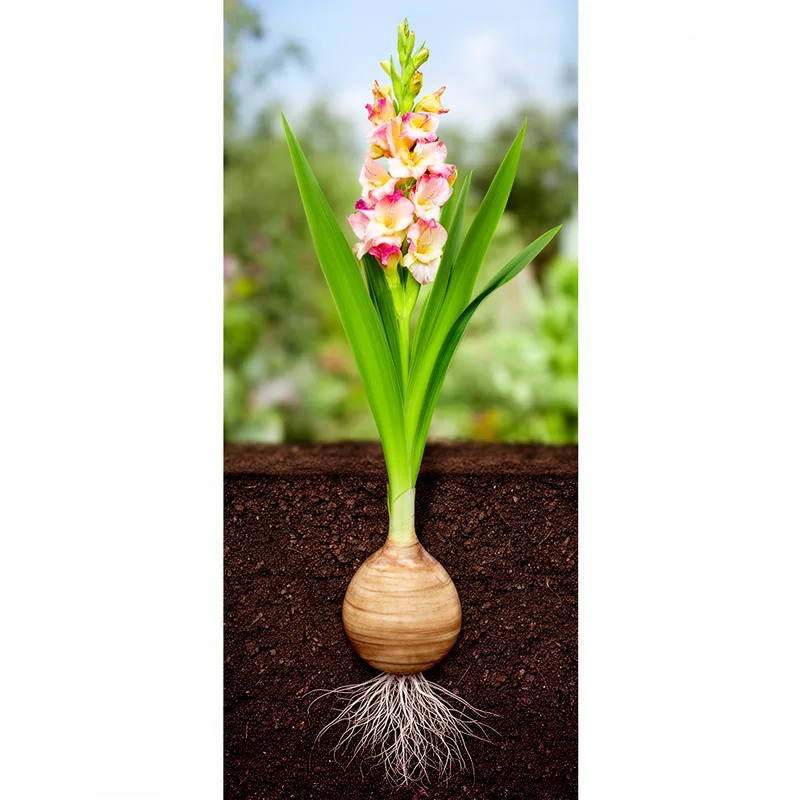
cormose
- adjective
- Specialized
- The gladiolus is a cormose plant that stores nutrients in its underground stem.
Examples
-
Botanists identified the plant as cormose due to its thick, underground storage organ.
-
Certain cormose species bloom annually after storing food in their corms over winter.
-
The cormose plant thrives in sandy soil.
-
Many gardeners prefer cormose varieties for their ease of cultivation.
-
Certain cormose plants, such as tulips, can survive harsh winters by storing energy in their corms.
-
Gardeners appreciate cormose flowers because they often require less water than traditional plants.
-
The cormose species produces vibrant blossoms each spring after drawing nutrients from its underground food source.
Synonyms
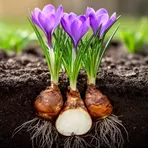
Plants that have underground thick stems called corms that store food
Surface Forms
Morphology
Etymology
Cormose comes from the plant part corm, a rounded underground stem that stores food, and the ending -ose, which means 'full of' or 'having'. So a cormose plant is one that has or makes corms, like a kind of bulb that stores food underground.

