
corm
 1
9.6

- noun
- /kɔrm/
- Specialized
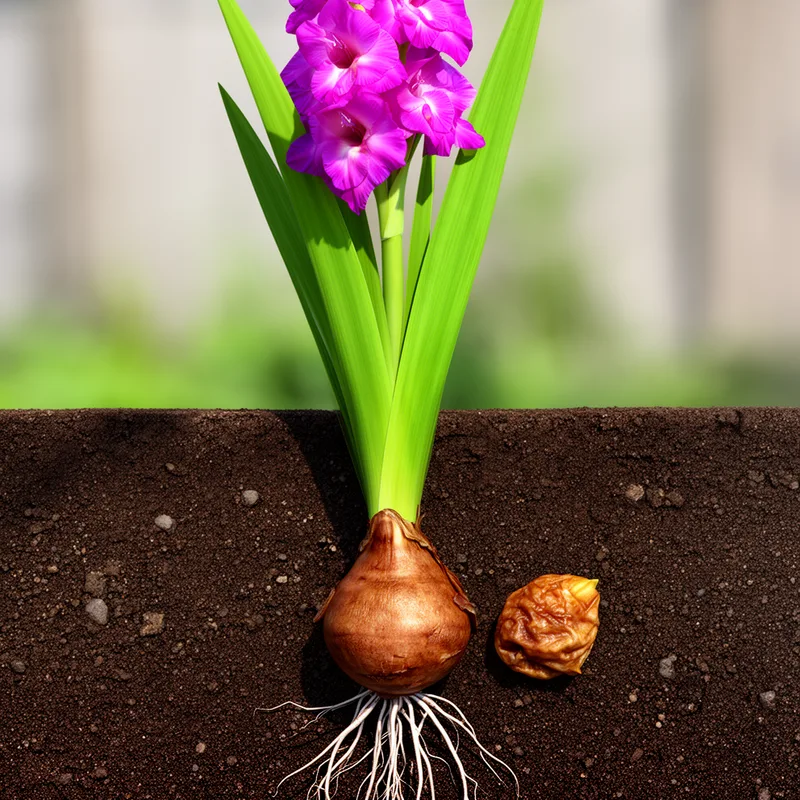
- Each corm serves as a storage organ, providing essential nutrients for the plant's growth.
- corms and tubers
Examples
-
The calendar included a note that "when a Yapese woman harvests a corm of giant swamp taro, she plants three or four young plants in its place and tends the taro patch in which they grow in order to sustain the production of the taro patch that has passed into her care."
Academic text (2004) -
The April ground swells with corm, bulb, and root.
Fiction book (1993) -
Contributing to a filling breakfast was the fortunate find of a marmot's cache of spring beauty corms.
Fiction book (1990) -
The hole in the ground was under their sleeping furs and filled with the sweet and starchy vegetables, which had been gathered earlier by the small animal when the rootlike corms were at their peak.
Fiction book (1990) -
Vegetables were also dried stems, buds, and particularly starchy roots, such as cattail, thistle, licorice fern, and various lily corms.
Fiction book (1990) -
To grow vibrant flowers, plant the corm in nutrient-rich soil and water it regularly.
-
After the summer season, it is best to lift the corms to prevent rot during the winter months.
Surface Forms
Etymology
Corm comes from an old Greek word kormos meaning 'stem' or 'trunk', so think of it as a thick, short stem like a little underground trunk that stores food. That's why a corm is a bulb-like underground stem that stores food and grows new shoots.