

cork oak
- noun
- /kɔrk oʊk/
- The small size of the cork oak available on the Iberian Peninsula forced the shipwrights to assemble large structural pieces from several small timbers, a less-than-ideal solution that required numerous elaborate fastenings.
- cork oak forests
Loading YouTube…
Watch on YouTubeIt's harvested from live cork oak trees with no harm from done to the tree.
- It's harvested from live cork oak trees with no harm from done to the tree.
Examples
-
Cork oak trees provide habitat for various wildlife in their native regions.
-
The cork oak is an important tree for the cork industry in southern Europe.
-
It's harvested from live cork oak trees with no harm from done to the tree.
-
And the reason it's called Quercus Uber is that the cell walls in this particular type of cork oak are covered with a waxy substance called subarin.
-
The thick, corky bark of the cork oak protects it from harsh environmental conditions.
Synonyms
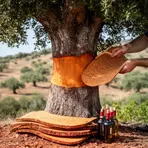
An evergreen oak tree with thick bark that people harvest to make cork
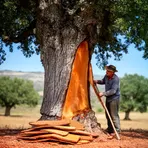
A Mediterranean evergreen oak tree with very thick bark people remove to make cork
Surface Forms
Morphology
The compound 'cork oak' is directly compositional: 'cork' (corky/protective bark used as material) modifies 'oak', indicating an oak tree characterized by corky bark. This follows regular noun-noun modification patterns and is cross-linguistically mirrored, so a B1 learner who knows both constituents can infer the meaning.
Etymology
Cork oak: The noun cork oak comes from the thick bark called cork that grows on an oak tree. People peel this bark to make 'cork' for bottles and other things, so the name means the oak tree that produces that material.

