

contractility
- noun
- /kənˌtræktɪlɪti/
- Specialized
- There is a slight shrinkage in the myocardium, even in those without cardiovascular disease, which may cause decreased contractility and, therefore, pumping ability of the heart.
- ventricular contractility
- myocardial contractility
- uterine contractility
Examples
-
Her postoperative transthoracic echocardiogram showed good right ventricular contractility with no residual thrombus in the right atrium.
Academic text (2007) -
Assessing the contractility of cardiac muscles is important for diagnosing heart conditions.
-
Iron directly damages the myocardial cells of the heart, which leads to decreased contractility and pump failure.
Academic text (2007) -
NCPAP may reduce myocardial wall stress, thus producing an improvement in contractility that lasts beyond the time of its application.
Academic text (1991) -
To sum up, strain and strain rate are respective markers of regional contractility and diastolic function.
Academic text (2007) -
We found that cellular contractility, measured as a fraction of cardiomyocyte shortening, exhibited complex behavior.
Academic text (2016) -
The net effect of this increased preload stretch is an increase in ventricular contractility with concomitant increases in stroke volume and SBP.
Academic text (2000) -
The doctor explained that the heart's contractility is essential for effective blood circulation.
-
Regular exercise can improve the contractility of muscle fibers, enhancing overall strength.
Synonyms
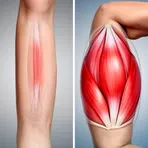
The ability of something like a muscle to become shorter
How Contractile


Surface Forms
Morphology
contractility = contractile (transparent) = contract + ile + ity
Formed from the adjective 'contractile' plus the productive noun-forming suffix '-ity', giving the straightforward meaning 'the quality or ability to contract'.
Etymology
Contractility comes from contract, where con- means 'together' and tract means 'to pull', and the ending -ility means 'ability'. So, contractility is literally the 'ability to pull together', which is why it describes how well a muscle can shrink or contract.