
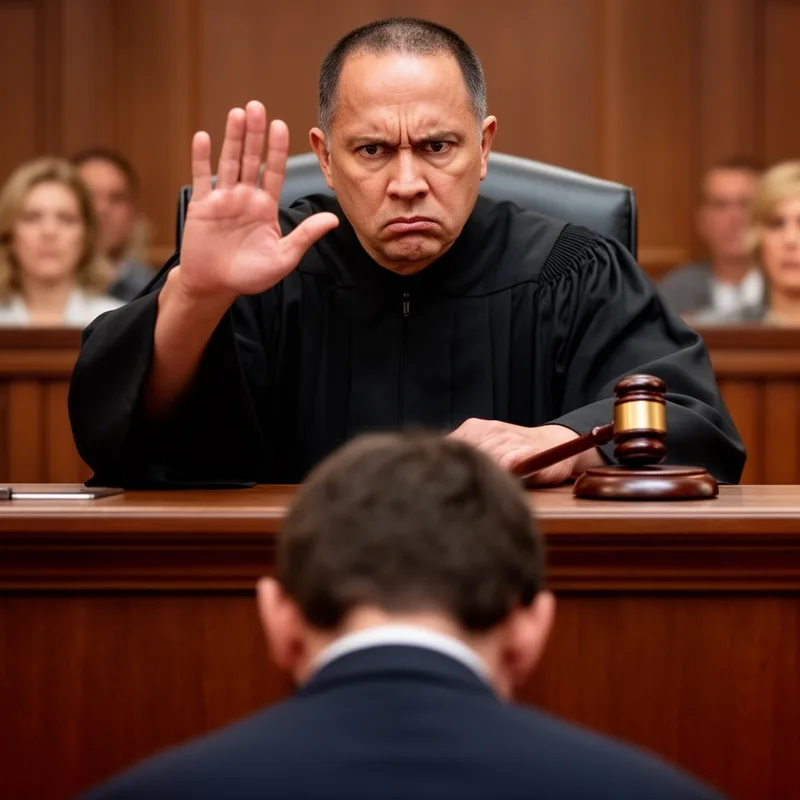
condemnatory
 1
7.9
1
7.9

- adjective
- /kənˈdɛmənˌtɔri/
- During the debate, his condemnatory remarks about the policy sparked a heated discussion among the audience.
- condemnatory term
Examples
-
We've become a condemnatory type nation and we got to stop that.
-
Because the language and the attack are so condemnatory and dismissive, and the defense of the status quo so total, the issues they raise are lost in the polemical heat.
Academic text (1992) -
So I do think we have the obligation to educate but not be condemnatory because we're all learning.
-
The International Civil Commission for Human Rights Observation released a highly condemnatory account in March of last year after spending nearly two months interviewing government officials and victims.
Academic text (2008) -
All of our laudatory moral judgments involve sympathy, and our condemnatory judgments involve resentment.
Blog text (20) -
Rather than submit to being judgmental and condemnatory, PT remained persistent in hopes of unearthing the Hidden or Unmet Potential (HUMP) possessed by their students.
Academic text (2009) -
What is most evident from the data is that prospective teachers steadfastly sought to unearth the hidden or unmet potential (HUMP) possessed by their students rather than submit to being judgmental and condemnatory.
Academic text (2009) -
The teacher's remarks were critical but not condemnatory, allowing students to learn from their mistakes.
-
She expressed her concerns in a condemnatory tone, emphasizing the need for accountability.
Synonyms
 19
7.7
19
7.7
Very strong, harsh criticism that hurts or shocks people
 7
5.1
7
5.1
Showing that you think someone does not deserve respect
 3
7.5
3
7.5
Saying someone will go to hell because of their sins
 2
6.5
2
6.5
Showing disapproval in voice or look
 2
9.3
2
9.3
Often criticizes people harshly for their actions or choices


 1
9.9
1
9.9
Making people feel ashamed in public with strong criticism

Showing that you think something is wrong
Showing strong criticism and warning of punishment for bad actions

Showing very strong disapproval and saying someone deserves punishment

Showing disapproval by insulting or criticizing someone
Antonyms


How Disapproving
- Offensive
10
9.3

- Formal
2
9.3
1
7.9
210
3.8
5
3.4
Surface Forms
Morphology
Etymology
Condemnatory comes from condemn, which goes back to a Latin idea of declaring someone 'guilty' or 'damned', and you can see the same force in the common word damn, which means to blame strongly. So a condemnatory look or tone shows strong blame or disapproval.