

commensalistic
- adjective
- /kəˌmɛnslˈɪstɪk/
- Specialized
 :
comensalista
:
comensalista
- In a commensalistic partnership, the cattle egret follows herds of livestock, benefiting from the insects stirred up without affecting the cattle.
Examples
-
The relationship between cattle and cattle egrets is often described as commensalistic.
-
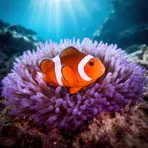
Some fish live in a commensalistic way with sea anemones, gaining protection without affecting the host.
-
Scientists observed a commensalistic interaction between the birds and the grazing animals.
-
The relationship between the clownfish and the anemone is commensalistic.
-
Many organisms exhibit commensalistic interactions in nature.
-
An example of a commensalistic relationship is when barnacles attach themselves to a whale, benefiting from the movement of the whale while not affecting it.
-
The relationship between pilot fish and sharks is often described as commensalistic, as the fish feed on the leftovers of the shark's meals without harming the shark.
Synonyms
 18
5.9
18
5.9

Living closely together so one or both benefit
 1
9.9
1
9.9
Living with another species where one benefits and the other is not helped or harmed
How Symbiotic

Surface Forms
Morphology
Etymology
Commensalistic comes from Latin parts com- 'with' and mensa 'table', and it originally meant 'sharing a table'. So in biology a commensalistic relationship is like one animal eating near another's table — the first benefits and the other is not harmed.