

comate
- adjective
- /kəˈmeɪt/
- Specialized
- The cotton plant produces comate seeds covered in soft fibers.
Examples
-
The comate seeds of the cotton plant are easily dispersed by the wind.
-
Look at the comate fruits hanging from that tree!
-
Many grass species have comate structures that aid in dispersal by the wind.
-
The botanist examined the comate appendages under a microscope.
-
The cotton plant produces seeds that are comate and covered in fluffy fibers.
-
Many grass species have comate structures that help their seeds spread with the wind.
-
The gardener pointed out the comate fruits suspended from the branches of that tree.
Synonyms
 1
6.3
1
6.3

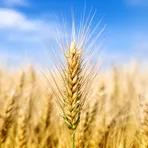
With long stiff hairs that grow on the seed heads of some grains
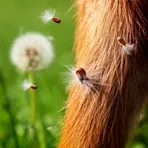
Seeds that have a small group of soft hairs to help them float or stick to animals
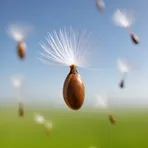
A seed or plant part with a small bunch of hairs at the top
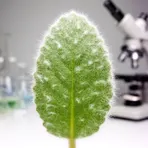
Covered with small soft hairs like wool

Having small clumps of hair, fur, or grass
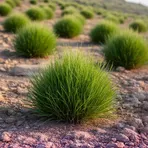
Growing in small, dense clumps
Surface Forms
Morphology
Etymology
Comate comes from the old Latin word coma, which means 'hair' or 'tuft'. That's why we call seeds or fruits comate when they have soft 'hair' or tufts, like the fibres of cotton that help them travel.