

comal
- adjective
- Specialized
- The comal tufts help certain seeds attach to animal fur for dispersal.
Examples
-
Some cotton plants produce distinctly comal fibers on their seeds.
-
The botanist noted the comal seeds dispersed easily in the wind.
-
Look at those beautiful comal flowers!
-
The comal plants are thriving this season!
-
Some cotton plants produce distinctly comal fibers on their seeds.
-
The comal tufts help certain seeds attach to animal fur for dispersal.
-
The botanist noted the comal seeds dispersed easily in the wind.
Synonyms
 1
6.3
1
6.3

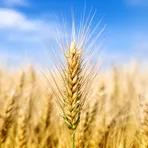
With long stiff hairs that grow on the seed heads of some grains
 1
5.5
1
5.5
Having small bunches of hair or feathers on it
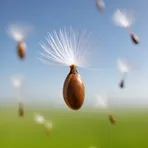
A seed or plant part with a small bunch of hairs at the top

A seed or fruit with a soft tuft of hair to help it travel in the wind
How Hairy

Surface Forms
Morphology
comal = coma + al
The root 'coma' (meaning 'tuft of hair') is a rare/archaic combining form not recognized by typical learners (and the more familiar English word 'coma' has an unrelated meaning), so the adjective cannot be reliably derived from known components.
Etymology
Comal comes from the Latin word coma, which means 'hair' and is also behind the word comet, a 'hairy' star because of its tail. So comal simply means 'having a tuft or tufts of hair', which fits seeds that have hair-like tufts to help them stick to animals or blow in the wind.