
to closure


 1
7.5
1
7.5
- verb
- /ˈkloʊʒər/
- UK
Examples
-
For these people, it makes a full apology and closure a much more distant prospect.
Blog text (21) -
Working like a well-turned epigram, its essential move is to make the violation of closure its fulfillment.
Academic text (1993) -
IF THE SCHOOL IS ON THE ROAD TO CLOSURE, AT LEAST SHE’LL MAKE IT AN INTERESTING RIDE.
-
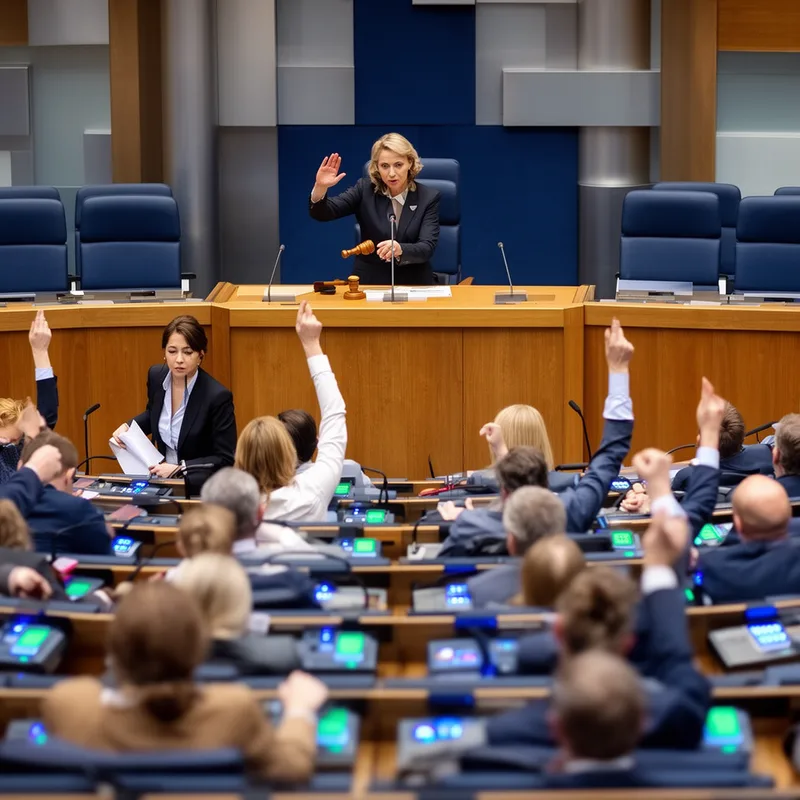
The chairman called for closure on the bill after hours of debate, prompting an immediate vote.
-
In the legislative session, the minority party requested closure to move forward with the voting process.
-
The senator announced that he would invoke closure to end the lengthy discussion and proceed to a vote.
Synonyms
 ∞
1.0
∞
1.0
To finish an event, meeting, or activity
 19
3.9
19
3.9
Finish a project, account, or process
 5
5.3
5
5.3
Decide that a matter has ended and do nothing more about it

To end a debate by asking members to vote now
Phrasal Verbs


Compounds


- Specialized
A sudden eye condition when the coloured part blocks fluid drainage, causing a rapid rise in pressure inside the eye

- Specialized
A tendency to see an incomplete shape as a whole when your mind fills gaps
How Immediate

Surface Forms
Morphology
Etymology
As a verb, closure comes from the Latin claudere, 'to shut', and is used like the verb close. To closure a debate is to 'shut' the discussion and move directly to a vote.