
cleansing
3.5
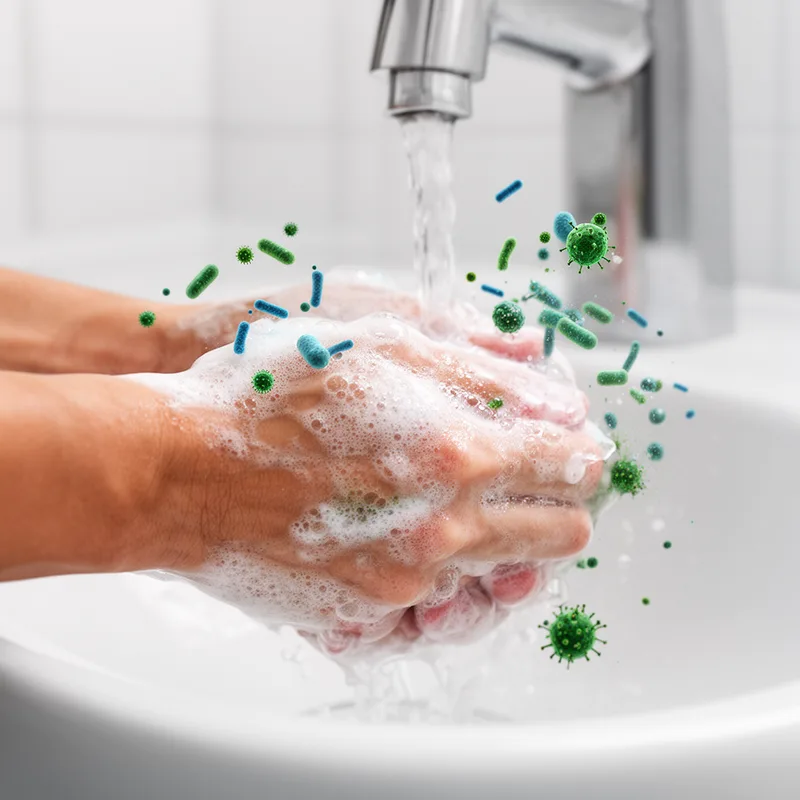
Helping to clean or kill harmful germs
- adjective
- /ˈklɛnzɪŋ/
:
limpiador
- The cleansing properties of this soap help remove bacteria from the skin.
Loading YouTube…
Watch on YouTubeI wanted to swiftly follow that up with cleansing oils, cleansing balms.
- I wanted to swiftly follow that up with cleansing oils, cleansing balms.
- So if I'm not using cleansing oil, it's this stuff right here.
- Now I am all about facial oils, cleansing oils, cleansing bombs.
- Now this whole cleansing stick bit is the gimmicky part about it.
- And then I apply a little bit of a cleansing gel and I use Suzanne Kaufman.
- Finally, this is Royal Tulip by Bloom Effects and it is a cleansing Jelly.
Autoplay Next
Examples
-
Many people use cleansing wipes to keep their hands free of germs.
-
A cleansing agent was added to the solution to ensure its effectiveness against viruses.
-
This will exfoliate while cleansing people massive.
Synonyms

 12
4.9
12
4.9

Free from germs and able to kill them
focuses on removing dirt as well as eliminating microbes

9.9
Able to remove dirt and germs from skin and surfaces
is effective at cleaning and killing germs as well as removing dirt

4.2
Removes harmful or unwanted substances to make something clean
emphasises general cleaning effect and germ control rather than only filtering
Compounds

ethnic cleansing
- Offensive
24
9.9
Forcing people of one religion or race to leave an area by violence


How Antiseptic

Surface Forms
cleansing positive
Morphology
Etymology
Cleansing as an adjective comes from the verb cleanse, which is built on clean meaning 'free from dirt'. So a cleansing product or lotion is something that helps wash away dirt and germs.