
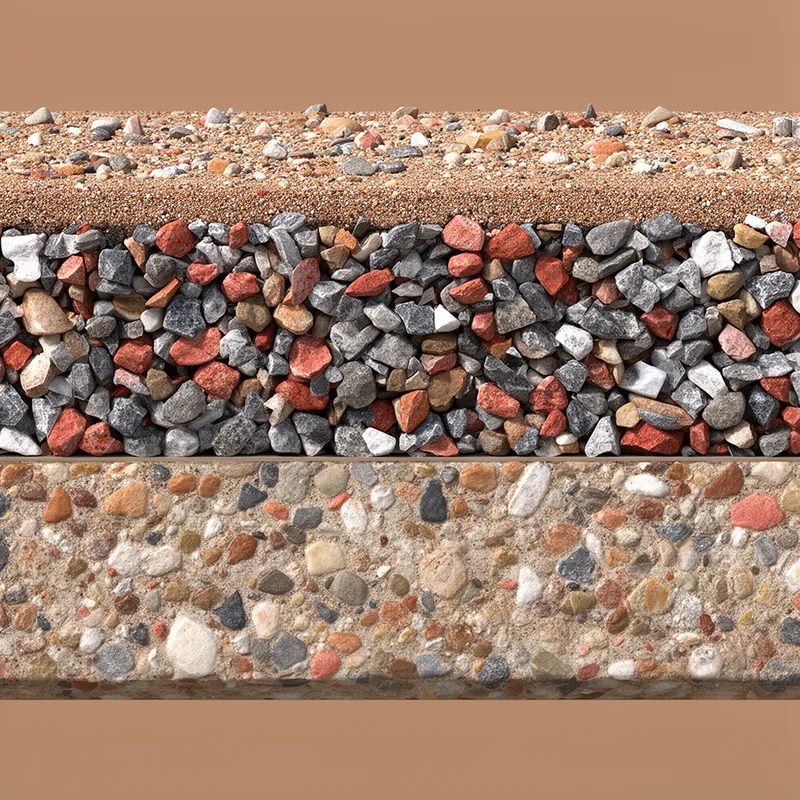
clastic rock
- noun
- /ˈklæstɪk rɑk/
- Specialized
- Sandstone is a common type of clastic rock formed from compacted sand grains.
Examples
-
Geologists study clastic rocks to understand sedimentary processes and the history of Earth's surface.
-
A typical clastic rock consists of particles that have been transported from their original location.
-
A clastic rock can contain fragments of many different minerals or older rocks.
-
A clastic rock is formed from weathered materials.
-
Sedimentary layers often contain clastic rocks.
-
Sandstone, as a type of clastic rock, is created from the compaction of sand grains over time.
-
Geologists often collect samples of clastic rock to study the processes that shaped them.
Surface Forms
Morphology
The noun phrase is directly compositional: 'clastic' means formed from transported rock fragments and 'rock' names the material, so the combined meaning is simply 'rock made of fragments.' This adjective+noun pattern is a regular, cross-linguistically common formation and would be understandable to a B1 learner who already knows both constituent meanings.
Etymology
Clastic rock comes from a Greek word: clastic comes from 'klastos', meaning 'broken'. It refers to a rock made of many small broken pieces of older rocks that were moved and then stuck together, so the name helps you remember that the rock is built from fragments.

