

civet cat
- noun
- /ˈsɪvɪt kæt/
- US
- Visitors were delighted to watch a civet cat with its distinctive black and white ringed tail at the nature reserve.
Examples
-
The civet cat is often seen in the forests of Mexico.
-
Children were excited to see the bushy tail of a civet cat in the zoo.
-
Farmers sometimes spot a civet cat looking for food near their barns.
-
The civet cat is often seen prowling around the forests at dusk.
-
Have you ever spotted a civet cat in the wild?
-
While hiking in the desert, I spotted a civet cat searching for food among the rocks and bushes.
-
The civet cat is easily recognized by its bushy tail and playful nature, making it a favorite among wildlife enthusiasts.
Synonyms

A small North American mammal like a raccoon with a long bushy tail with black and white rings

A small mammal like a raccoon with a long bushy tail ringed black and white
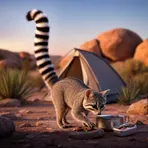
An animal like a raccoon that has a long bushy tail with black and white rings
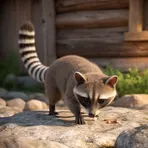
A small animal like a raccoon with a long tail with black and white rings

A small mammal like a raccoon with a long ringed tail that climbs trees and is active at night
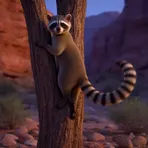
A small animal like a raccoon that lives in trees and has a long ringed tail
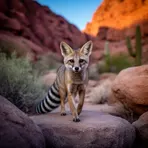
A small wild fox from Mexico and the US with a long bushy tail with black and white rings
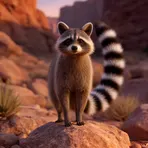
A small animal like a raccoon with a long bushy tail with black and white rings
Surface Forms
Morphology
The compound is a straightforward noun+noun composition: 'civet' (a catlike, musk-secreting mammal) modifies 'cat', so a learner who knows both words will infer it denotes a cat-like mammal. This compositional, descriptive naming pattern is cross-linguistically common, making the meaning readily derivable from the parts.
Etymology
Civet cat was a name given by early settlers to the ringtail because it looked like a small cat with a long, ringed tail and sometimes gave off a strong smell like 'civet'. So the name came to mean this raccoon-like animal in North America.

