
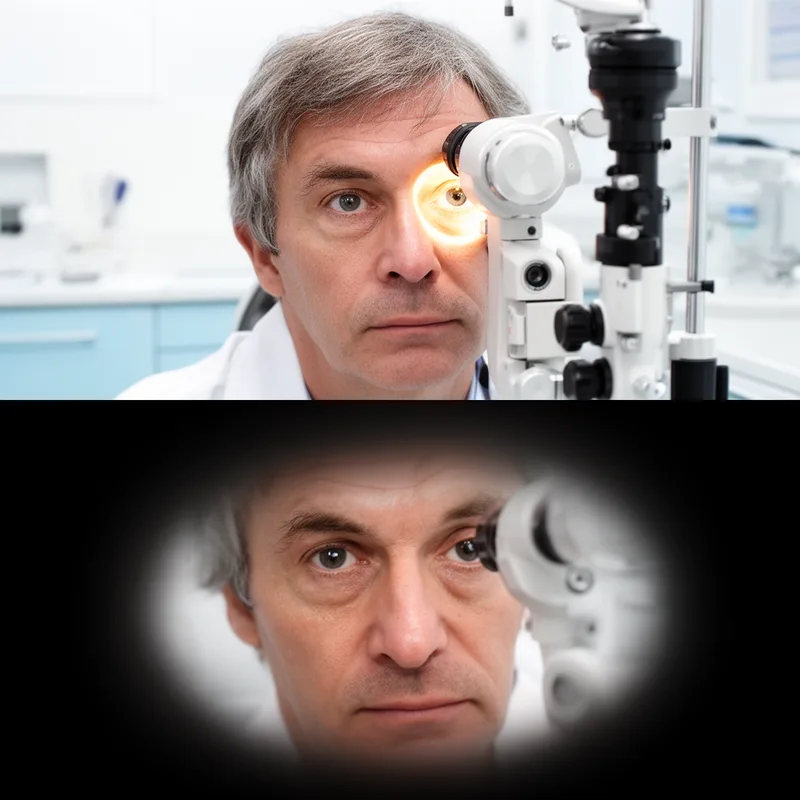
chronic glaucoma
- noun
- /ˈkrɒnɪk ɡloʊˈkoʊmə/
- Specialized
- She was diagnosed with chronic glaucoma last year.
Examples
-
Patients with chronic glaucoma often do not experience noticeable symptoms until significant damage has occurred.
-
Early detection and treatment of chronic glaucoma are essential to prevent vision loss.
-
Regular eye exams are important because chronic glaucoma can progress without warning.
-
Many patients suffer from chronic glaucoma without realizing it.
-
The doctor explained that chronic glaucoma can lead to irreversible vision loss if left untreated.
-
He was diagnosed with chronic glaucoma, which means he will gradually lose peripheral vision.
-
Regular check-ups are important for managing chronic glaucoma and maintaining eye health.
Synonyms

 21
6.1
21
6.1

An eye disease that damages the nerve at the back of the eye and can lead to blindness


 1
5.2
1
5.2
A common eye disease that slowly reduces side vision when eye fluid cannot drain
Antonyms

- Specialized
A sudden, serious eye problem when fluid inside the eye builds up, causing severe pain and risk of losing sight
How Sudden

Surface Forms
Morphology
The phrase is directly compositional: 'chronic' means long‑lasting and 'glaucoma' is an eye disease, so a learner who knows both words will infer it denotes a long‑standing form of glaucoma. Medical details about cause (e.g. the canal of Schlemm) are specialized, but the core meaning is transparent and follows standard adjective+noun composition common across languages.
Etymology
Chronic glaucoma uses chronic, meaning 'long-lasting', and glaucoma, an old word for a cloudy eye. The picture is of a slow, lasting problem that quietly reduces your 'side vision', so the name explains why it means a slow loss of peripheral sight.