

chlamydia
 3
6.3
3
6.3

- noun
- /kləˈmɪdiə/
- Specialized
- Trachoma is an infection caused by certain strains of the bacterium Chlamydia trachomatis.
- chlamydia trachomatis
- chlamydia pneumoniae
Examples
-
M. tuberculosis is difficult to grow, and Mycobacterium leprae, Treponema pallidum, hepatitis B virus, Chlamydia pneumoniae, Chlamydia trachomatis, and HIV are impossible to grow.
Academic text (2014) -
The thing is, the bacteria that cause the blinding infections are from chlamydia and gonorrhea.
Blog text (24) -
It is well understood that Chlamydia infections are caused by bacteria and should, as such, be relatively easy to manage.
Blog text (5) -
Meanwhile, long-term damage to the reproduction system may take place, and the conventional treatment for Chlamydia using antibiotics may not ultimately deal with such damage.
Blog text (5) -
He's got scurvy, malaria, rickets, chlamydia.
-
Organisms must be viable; they may also cause allergic or toxic responses. Environmental reservoirs, such as chlamydia and rickettsia, are associated with vector carriers such as rodents or other mammals.
Academic text (1994) -
M. tuberculosis is difficult to grow, and Mycobacterium leprae, Treponema pallidum, hepatitis B virus, Chlamydia pneumoniae, Chlamydia trachomatis, and HIV are impossible to grow.
Academic text (2014) -
If left untreated, chlamydia can lead to serious health issues.
-
The doctor explained that chlamydia is a bacterial infection affecting the reproductive system.
-
Screening for chlamydia is important for sexually active individuals to prevent further complications.
Synonyms
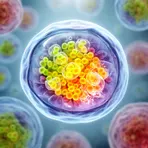
Bacteria that live inside body cells and cause disease
Compounds

- Specialized
A kind of bacteria that makes birds sick and can infect people, often from pet birds
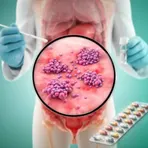
- Specialized
A type of bacteria that causes the sexually transmitted infection chlamydia
Surface Forms
Etymology
Chlamydia comes from the Greek word chlamys, which means 'cloak'. Scientists used this image because the bacteria can be 'covered' or hidden inside cells, so the name helps you remember that these bacteria live inside and can infect places like the eyes, lungs, and reproductive organs.