
cementation
8.5
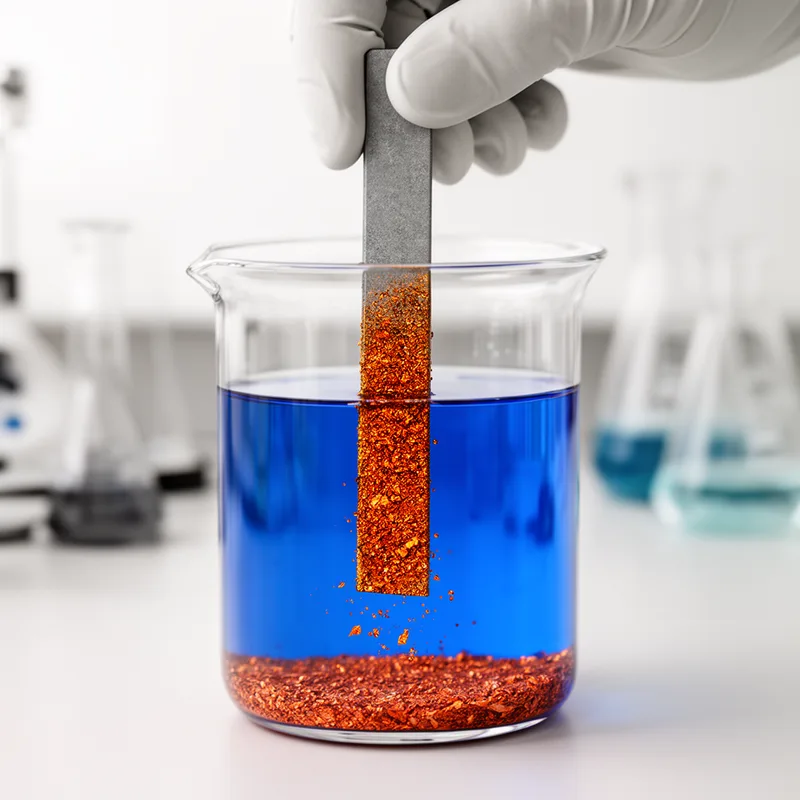
A chemical way to make dissolved metal become solid by using a more active metal
- noun
- /sɪˈmɛnˌteɪʃən/
- Specialized
:
cementación
- During the process of cementation, copper ions in solution are reduced to solid copper by using zinc as a more reactive metal.
Examples
-
The cementation of gold in the metallurgical process involves replacing gold ions with more reactive metals to recover pure gold.
-
Researchers studied the cementation that occurs in metal refining to understand how to improve the efficiency of metal recovery.
-
Concerning cementation, for lithium disilicate restorations, it is reported that cementation did not affect the outcome 13,16.
Academic text (2016) -
Concerning cementation, for lithium disilicate restorations, it is reported that cementation did not affect the outcome 13,16.
Academic text (2016)
Surface Forms
cementation singular
cementations plural
Morphology
Etymology
Cementation comes from the Latin caementum, meaning 'broken stone', and is the source of the modern word cement. Think of metal being cemented onto another metal so it becomes fixed in place, like stones held together by cement.

