
cecropia
- noun
- /sɪˈkroʊpiə/
- US
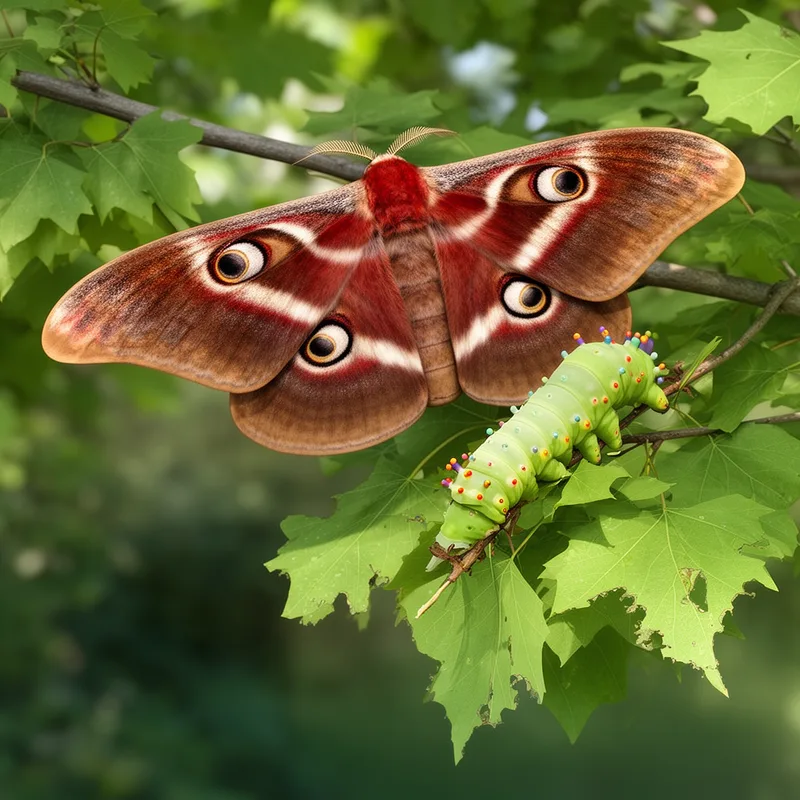
- The cecropia moth is known for its vibrant colors.
- cecropia moth
Examples
-
The cecropia is the largest native moth in North America, with a wingspan of up to six inches.
-
As a hobbyist, she raised several cecropia caterpillars in her garden each spring.
-
The stunning patterns on a cecropia moth's wings help it avoid predators.
-
I spotted a cecropia in my backyard yesterday.
-
The cecropia moth has striking brown and red markings that make it one of the most beautiful moths in North America.
-
In spring, the cecropia lays its eggs on the leaves of various forest trees, where the caterpillars can thrive.
-
Many people are fascinated by the cecropia, as it is the largest moth in North America with a wingspan of up to six inches.
Synonyms

A large moth in North America with red-brown wings and eye-like spots whose caterpillars eat tree leaves

A very large North American moth whose caterpillars eat the leaves of forest trees
A group of large North American moths that make silk, like the cecropia moth
Compounds
A large moth in North America with red-brown wings and eye-like spots whose caterpillars eat tree leaves

- Specialized
A tropical American tree with large shield-shaped leaves and hollow stems that grows in open disturbed areas
- Specialized
A very large North American moth whose caterpillars eat the leaves of forest trees
Surface Forms
Etymology
The word cecropia comes from the Greek name Kekrops, which can be thought of as 'of Cecrops' and refers to a mythic king of Athens. Scientists often use myth or place names for animals, so cecropia became the name for this large North American moth.

