

caustic potash


 1
7.0
1
7.0
- noun
- /ˈkɔːstɪk ˈpɒtæʃ/
- Specialized
- Caustic potash is often used in the manufacture of fertilizers and detergents.
Examples
-
Workers must wear gloves when handling caustic potash to avoid chemical burns.
-
The soap was made with caustic potash, which helps break down animal fats.
-
The factory uses caustic potash for cleaning purposes.
-
Farmers often apply caustic potash to improve soil quality.
-
In agriculture, caustic potash is often used to improve soil quality.
-
In the production of soap, caustic potash helps to create a smooth texture.
-
Many industries rely on caustic potash for its strong alkaline properties.
Synonyms
 1
6.1
1
6.1
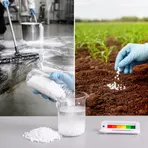
A strong white chemical that people use in industry and farming to clean and make soil less acidic
How Corrosive
- Specialized
1
7.0

- Specialized
- Specialized
15
6.0
Surface Forms
Morphology
The phrase is compositionally built from 'caustic' (corrosive, burning) and 'potash' (a potassium compound), so a learner who knows both words can infer it refers to a corrosive potassium substance. While the exact chemical identity (potassium hydroxide) is technical, the general meaning 'a strong, corrosive potassium-based chemical' is transparently derivable from the constituents.
Etymology
Caustic potash comes from two parts: caustic, meaning 'burning' or able to burn the skin, and potash, an old name for salts made by soaking wood ashes in pots. So the name gives a clear image of a very strong, skin-burning chemical made from ash salts, which is why today it refers to potassium hydroxide used in industry and farming.