

caudate
- noun
- /ˈkɔːdeɪt/
- Specialized
- Both newts and salamanders are considered caudates due to their tails and body shape.
Examples
-
Many caudates can regenerate lost limbs.
-
Many caudates inhabit moist woodlands where they are rarely seen during the day.
-
The research focused on the regeneration abilities in several species of caudate.
-
The caudate is often found in damp environments.
-
Both newts and salamanders are considered caudates due to their tails and body shape.
-
Many caudates inhabit moist woodlands where they are rarely seen during the day.
-
Some species of caudates are known for their vibrant colors and skin patterns.
Synonyms
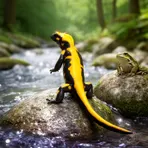
An amphibian that keeps a tail for its whole life, like a salamander
Compounds

- Specialized


 1
9.9
1
9.9
A part inside the brain shaped like a tail that helps control movement and learning
Surface Forms
Morphology
Etymology
Caudate as the name for animals like salamanders and newts comes from Latin cauda 'tail', because these amphibians have obvious tails, so they are called caudates.