
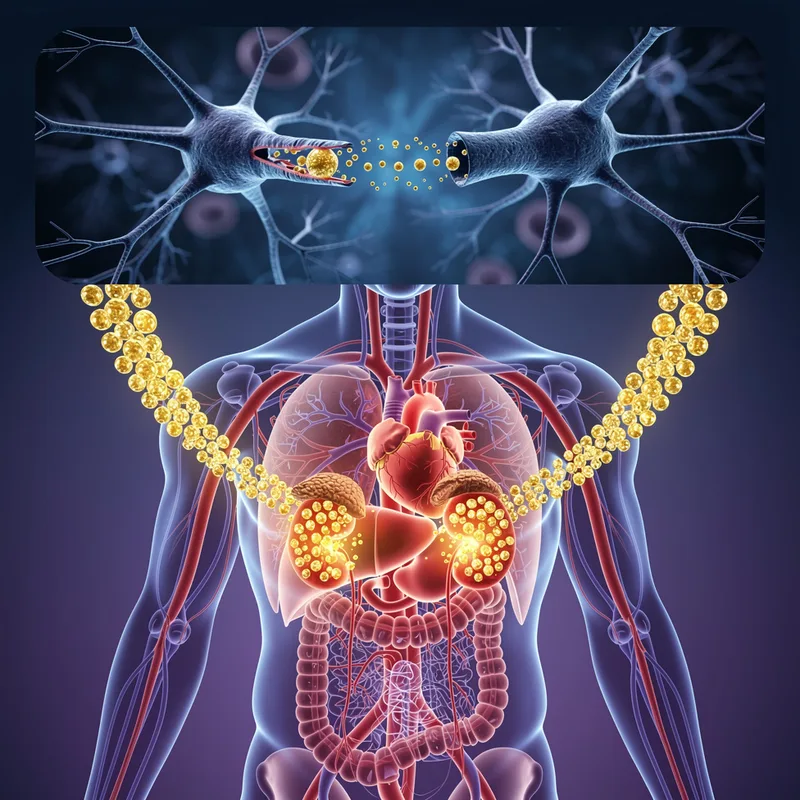
catecholamine
 1
9.2

- noun
- /ˌkætɪˈkoʊləˌmiːn/
- Specialized
- During stressful situations, the adrenal glands release catecholamines such as epinephrine and norepinephrine.
- catecholamine release
- catecholamine levels
- catecholamine metabolites
Loading YouTube…
Watch on YouTubeWell, you've been blasting these catecholamine regulated circuits for years.
- Well, you've been blasting these catecholamine regulated circuits for years.
- What you're suggesting is that they could have a predisposition to worry more because of these catecholamines.
- So you will have a less increase of, of your catecholamines with time.
- You could that die dyslexic and and other stress hormones called catecholamines that they that oh, that's a continuation of the sentence.
Examples
-
In patients with pheochromocytoma, high plasma catecholamine levels are known to induce reversible cardiomyopathy.
Academic text (2016) -
Dopamine and norepinephrine are the two main catecholamines present in the brain.
Academic text (1992) -
All 49 other children missed by screening could clearly not have been detected because their catecholamines were normal at screening.
Academic text (1996) -
The truth is anxiety and its genesis is a rise in a class of neurotransmitters called catecholamines, which creates a fight or flight like response.
-
Stimulant drugs such as Ritalin affect that balance by increasing the amount of time that catecholamine molecules remain active in certain synapses.
Academic text (1997) -
So here I'm showing how the catecholamine axons have these very wide, widely branching axons that go to the amygdala.
-
Pliszka, McCracken, and Maas have proposed that ADHD is a neurotransmitter dysfunction, in this case a catecholamine imbalance.
Academic text (1997) -
Exercise stimulates the production of catecholamines, which enhance alertness and prepare the body for action.
-
The imbalance of catecholamines in the brain can contribute to mood disorders such as depression and anxiety.
Surface Forms
Morphology
Etymology
Catecholamine is made of catechol, a name for a small chemical ring first found in a plant dye, and amine, which means 'related to ammonia' and is like 'amino' in 'amino acid'. So catecholamines are nitrogen-containing chemicals such as adrenaline and norepinephrine that the body sends out quickly as hormones or messengers in stress.